




Manhole cover replacement looks simple until the surrounding pavement has to be removed cleanly. When asphalt or concrete has settled, cracked, or been rebuilt around a manhole, contractors often need to remove the damaged material before the collar and cover can be repaired. The cutting method used at this stage can have a major effect on labor, cleanup, equipment utilization, and the quality of the finished repair.
Traditional repair methods often rely on jackhammers and handheld cutting equipment. These tools can break pavement, but they are not always the most efficient way to create a controlled opening around a manhole. A purpose-built manhole saw approaches the job differently by creating a circular cut around the existing manhole structure before the surrounding material is removed.
For contractors involved in municipal maintenance, road construction, utility work, and pavement rehabilitation, understanding how a manhole cutting attachment works can help determine when mechanized cutting is a better choice than conventional demolition methods.
Why Manhole Repairs Can Be Difficult
A manhole is usually surrounded by pavement that has been subjected to traffic loads, water, temperature changes, settlement, and repeated maintenance work. Over time, the pavement around the structure may become uneven or deteriorated.
When the manhole needs to be raised, replaced, or repaired, the contractor must first expose the structure. The challenge is to remove enough surrounding pavement without creating unnecessary damage outside the repair area.
A poorly controlled demolition process can create several problems:
Excessive pavement removal beyond the repair area
More debris that must be loaded and transported
Additional labor for breaking and cleanup
Irregular repair edges
Greater difficulty preparing the area for replacement material
Longer equipment and crew utilization time
For contractors performing multiple manhole repairs, even small differences in the cutting and removal process can become significant across an entire maintenance program.
What Is a Manhole Saw?
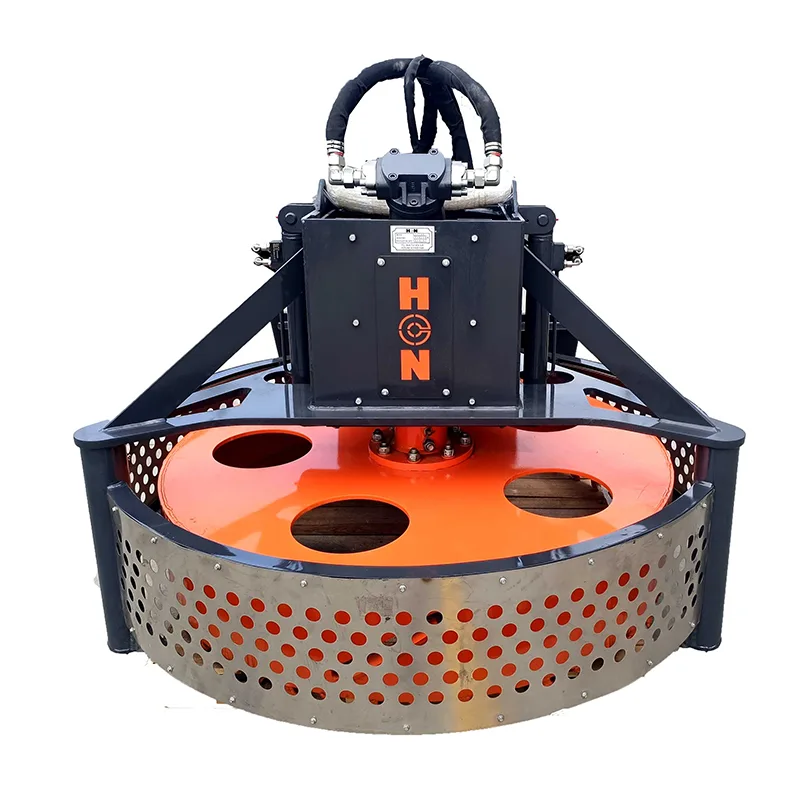
A manhole saw is a hydraulic attachment designed to cut the pavement surrounding a manhole cover or collar. Instead of breaking the entire area with a jackhammer first, the attachment creates a defined circular cut around the structure.
The HCN 021560 Manhole Saw is designed specifically for removing the collar and surrounding concrete or asphalt around manhole covers. According to the HCN product information, the attachment uses hydraulic motors, a hydraulic-powered breakout function, carbide-tipped cutting picks, and a self-aligning hydraulic clamp.
The system is designed so that cutting pressure is applied hydraulically rather than relying simply on the weight of the skid steer. This allows the operator to control the cutting process from the machine.
For contractors searching for a skid steer manhole saw, this type of attachment is particularly useful when repetitive pavement repair work requires a more controlled and mechanized approach.
How the Cutting Process Works
The basic process begins by positioning the attachment over the existing manhole. The hydraulic clamping system helps center the cutting assembly around the manhole structure. Once positioned, the cutting drum is lowered into the pavement.
1. Position the Machine
The skid steer or compatible loader should be positioned so that the operator has a clear view of the work area. Proper positioning is important because the cutting path needs to remain centered around the manhole.
2. Secure the Manhole Area
The attachment is positioned around the existing manhole collar. A self-aligning clamp can help maintain the correct relationship between the cutting assembly and the manhole structure.
3. Start the Hydraulic Cutting System
The hydraulic system drives the cutting mechanism while controlled down pressure is applied. The carbide-tipped cutting picks engage the asphalt, concrete, or other pavement material surrounding the manhole.
4. Control the Cutting Depth
Controlled cutting depth is important because the goal is to remove the pavement surrounding the manhole without unnecessarily disturbing the underlying structure. The HCN 021560 provides a maximum milling depth of approximately 260 mm according to its published product specifications.
5. Break Out and Remove the Core
After the circular cut has been completed, the surrounding pavement can be broken free and removed. The HCN attachment includes a hydraulic-powered breakout function designed to assist with this stage of the process.
The result is a defined opening that can then be prepared for manhole adjustment, collar replacement, structural repair, or installation of new pavement material.
Why a Circular Cut Can Be Useful for Pavement Repair
The geometry of the cut matters. Traditional square pavement cuts can create corners where stresses concentrate. A circular opening eliminates sharp corners and can provide a more uniform boundary around the repair area.
For contractors repairing manholes repeatedly, a controlled circular cut can make the repair area easier to define before the replacement material is installed.
The objective is not simply to make a hole in the pavement. The objective is to create a predictable repair zone that can be cleaned, prepared, and rebuilt efficiently.
Manhole Saw vs. Jackhammer Removal
Jackhammers remain useful for many demolition tasks, but they approach manhole repair differently from a dedicated cutting attachment.
| Consideration | Manhole Saw | Traditional Jackhammer Method |
|---|---|---|
| Cut Shape | Controlled circular cut | Usually irregular or manually defined |
| Operator Position | Machine-operated | Often requires workers directly at the pavement |
| Cutting Control | Hydraulically controlled | Primarily controlled by operator technique |
| Material Removal | Designed around a defined cutting area | Progressive breaking and cleanup |
| Repeat Repair Work | Well suited to repetitive manhole projects | Can require significant manual labor |
This does not mean a manhole saw replaces every demolition tool. Instead, it provides contractors with a specialized method for a specific pavement repair problem.
Where Manhole Saw Attachments Are Most Useful
The strongest application for a manhole saw is repetitive maintenance where crews need to access manholes efficiently and create consistent repair openings.
Municipal Road Maintenance
Municipal road networks can contain hundreds or thousands of manholes. When pavement rehabilitation and utility infrastructure work overlap, contractors need equipment that can be moved quickly between repair locations.
A skid steer-mounted attachment can be particularly useful because the host machine can perform additional material handling tasks after the cutting operation.
Asphalt Pavement Rehabilitation
Manholes often become low or high relative to surrounding asphalt after resurfacing. Before the structure can be adjusted, the pavement surrounding the manhole may need to be removed.
A controlled cutting process can help define the repair area before the old asphalt is removed.
Concrete Pavement Repair
Concrete surrounding a manhole can be substantially harder to remove than loose or deteriorated pavement. A specialized cutting system can provide a more deliberate approach to creating the initial repair boundary.
Utility and Infrastructure Projects
Utility contractors may encounter manholes during drainage, sewer, telecommunications, and underground infrastructure work. When access to an existing structure is required, mechanized pavement cutting can become an important part of the site workflow.
Hydraulic Flow Is an Important Buying Consideration
One of the most important considerations when selecting a hydraulic attachment is whether the host machine can supply the required hydraulic flow and pressure.
The HCN 021560 product specifications list a hydraulic flow requirement of approximately 130–150 L/min and a working pressure of 21 MPa. The product is listed for skid steer loaders and small wheel loaders.
Contractors should always compare the attachment requirements with the actual hydraulic specifications of the machine they intend to use. The highest-rated attachment is not automatically the best choice if the host machine cannot provide the necessary hydraulic performance.
What to Check Before Buying a Manhole Saw
Before purchasing a manhole cutting attachment, contractors should evaluate the entire workflow rather than looking only at the cutting diameter.
Host Machine Compatibility
Check hydraulic flow, hydraulic pressure, rated operating capacity, mounting system, auxiliary hydraulic connections, and electrical requirements where applicable.
Cutting Diameter
The required opening depends on the manhole structure and the repair method. HCN lists a standard 54-inch cutting diameter for the 021560, with other sizes available as options according to the product information.
Cutting Depth
Different pavement structures require different cutting depths. Consider the asphalt or concrete thickness normally encountered on your jobs before selecting equipment.
Attachment Weight
The attachment must be compatible with the host machine's lifting capacity and operating characteristics. The HCN 021560 has a listed weight of approximately 900 kg.
Daily Job Volume
A specialized attachment becomes more attractive when manhole repairs are a regular part of the contractor's workload. If the equipment will only be used occasionally, rental availability and fleet utilization should also be considered.
How Contractors Can Improve the Overall Repair Workflow
The cutting attachment is only one part of the operation. Productivity also depends on what happens before and after cutting.
Inspect and identify the manhole structure before cutting.
Establish the required repair boundary.
Confirm host-machine hydraulic compatibility.
Position the machine accurately.
Use controlled cutting depth rather than unnecessary penetration.
Remove the cut pavement systematically.
Clean and prepare the repair area.
Complete the manhole adjustment or structural repair.
Install the appropriate replacement pavement material.
Compact and finish the repaired area according to the project requirements.
This workflow helps separate cutting, removal, structural work, and reinstatement into clearly defined stages. For contractors performing multiple repairs, this can make crew planning easier and reduce unnecessary movement between tools.
Common Mistakes When Cutting Around Manholes
Using a Host Machine With Insufficient Hydraulic Capacity
Hydraulic attachments depend heavily on the host machine. Using a machine that cannot meet the attachment's hydraulic requirements can reduce cutting performance and may lead to operating problems.
Ignoring the Existing Pavement Structure
Asphalt thickness, concrete thickness, base material, and existing utility conditions should be considered before cutting. The operator should understand the repair area rather than treating every manhole as identical.
Removing Too Much Pavement
Large uncontrolled demolition areas can increase material handling and reinstatement requirements. A defined cutting strategy helps keep the repair area focused on the actual problem.
Choosing Equipment Only by Price
The purchase price is only one part of equipment economics. Contractors should consider cutting performance, compatibility with existing loaders, maintenance requirements, attachment utilization, and the amount of labor the equipment can remove from repetitive repair operations.
Why a Specialized Attachment Can Make Sense for Contractors
A dedicated manhole saw is not a universal pavement tool. Its value comes from specialization.
For a contractor that regularly performs manhole rehabilitation, the ability to approach a repetitive task with a dedicated hydraulic attachment can simplify the workflow. Instead of treating every manhole as a small demolition project, the contractor can establish a repeatable cutting and removal process.
This is particularly relevant to municipal maintenance contractors and road repair companies that may handle multiple manhole locations during a single project or maintenance cycle.
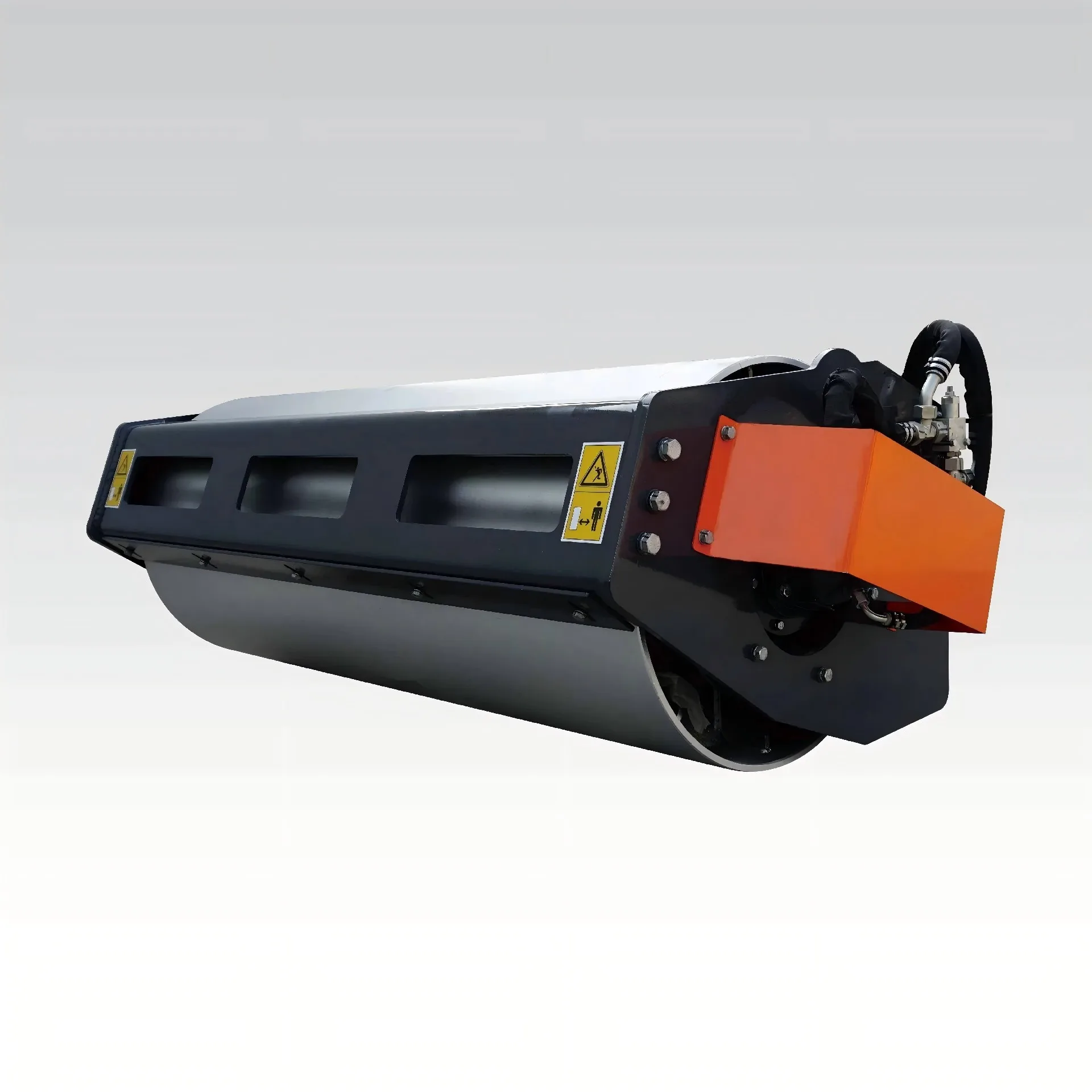
HCN 021560 Manhole Saw
HCN's 021560 Manhole Saw is designed around the specific requirements of manhole pavement removal. The product uses hydraulic drive motors, carbide-tipped cutting picks, hydraulic breakout, a self-aligning clamp, and controlled cutting depth.
The published specifications include a maximum milling depth of approximately 260 mm, a milling groove width of 40 mm, a cutting drum inner diameter of approximately 1360 mm, hydraulic flow of 130–150 L/min, and working pressure of 21 MPa.
The attachment is designed for use with skid steer loaders and small wheel loaders, making it suitable for contractors that already operate hydraulic loader equipment in their road maintenance fleet.
For companies looking specifically for a manhole saw attachment for asphalt and concrete pavement repair, the 021560 provides a specialized alternative to relying entirely on conventional pavement demolition tools.
View the HCN 021560 Manhole Saw to review the product information and specifications.
Final Considerations
Efficient manhole repair begins with controlled access to the structure. The way pavement is cut can influence how much material must be removed, how the repair boundary is defined, and how quickly the area can move into the next stage of the project.
For occasional repairs, conventional tools may remain practical. For contractors handling recurring manhole rehabilitation, however, a dedicated hydraulic manhole saw can provide a more specialized approach to pavement cutting.
Before selecting an attachment, compare the required cutting diameter, cutting depth, hydraulic flow, working pressure, attachment weight, host-machine compatibility, and expected workload. These factors provide a more useful basis for equipment selection than purchase price alone.
With the right combination of host machine and attachment, contractors can turn manhole pavement cutting from a labor-intensive demolition task into a more structured part of the road maintenance workflow.
Frequently Asked Questions About Manhole Saw Attachments
1. What is a manhole saw used for?
A manhole saw is used to cut and remove asphalt or concrete surrounding a manhole cover or collar. It creates a controlled opening that allows contractors to repair, raise, replace, or access the manhole structure.
2. Can a skid steer use a manhole saw?
Yes. The HCN 021560 is designed for skid steer loaders and small wheel loaders. However, the host machine must meet the attachment's hydraulic flow and pressure requirements.
3. How deep can the HCN 021560 cut?
The published HCN specification lists a maximum milling depth of approximately 260 mm. Actual cutting requirements should be evaluated against the pavement structure and project conditions.
4. What hydraulic flow does the 021560 Manhole Saw require?
HCN lists a hydraulic flow requirement of approximately 130–150 L/min and a working pressure of 21 MPa for the 021560 model.
5. Can a manhole saw cut asphalt and concrete?
The HCN 021560 is designed to remove the concrete and asphalt surrounding manhole covers. The actual cutting performance depends on the material, thickness, machine hydraulic performance, cutting tools, and operating conditions.
6. Why use a circular cut instead of a square pavement cut?
A circular cut removes sharp corners from the repair boundary and can provide a more uniform opening around the manhole. This can be useful when preparing the area for pavement reinstatement.
7. What should I check before buying a manhole saw attachment?
Check hydraulic flow, hydraulic pressure, host-machine lifting capacity, attachment weight, cutting diameter, cutting depth, mounting compatibility, and the number of manhole repairs your company expects to perform.
8. Is a manhole saw better than a jackhammer for every repair?
No single tool is ideal for every job. A manhole saw is a specialized solution for creating a controlled opening around manholes. Jackhammers and other demolition tools can still be useful for breaking and removing material after the initial cut.
Internal Link Suggestions
Primary product link: HCN 021560 Manhole Saw — place this near the first product introduction and again near the product-focused section.
Related cold cutting equipment: HCN 0206 Series Cold Planer — useful for readers who need broader asphalt and concrete milling capabilities.
Related sweeping equipment: HCN Pick-Up Sweeper — relevant after discussing pavement debris removal and site cleanup.
Product category: Wheel Loader Attachments — suitable for readers comparing hydraulic attachment options.
Product overview: HCN Products — useful as a broader internal navigation link for contractors researching additional attachments.
Image Suggestions
Image Description: A skid steer equipped with a hydraulic manhole saw cutting a circular opening around a pavement manhole on a road construction site.
Recommended File Name: skid-steer-manhole-saw-pavement-repair.jpg
ALT Text: Skid steer manhole saw cutting pavement around a manhole
Recommended Placement: Below the introduction, before the section explaining how the cutting process works.
Image Description: Close-up view of the manhole saw cutting drum and carbide-tipped cutting tools positioned around a manhole collar.
Recommended File Name: manhole-saw-cutting-drum-carbide-picks.jpg
ALT Text: Manhole saw cutting drum with carbide-tipped picks
Recommended Placement: Inside the “How the Cutting Process Works” section.
Image Description: Road repair crew preparing a circular pavement opening around a manhole before replacing the collar and surrounding pavement.
Recommended File Name: manhole-cover-replacement-pavement-repair.jpg
ALT Text: Circular pavement opening prepared for manhole repair
Recommended Placement: In the “Where Manhole Saw Attachments Are Most Useful” section.
Image Description: HCN 021560 Manhole Saw mounted to a compatible skid steer loader, shown from a three-quarter front angle.
Recommended File Name: hcn-021560-manhole-saw-attachment.jpg
ALT Text: HCN 021560 manhole saw attachment mounted on skid steer
Recommended Placement: In the HCN 021560 product section.
Image Description: Finished road repair with a restored manhole cover surrounded by a clean circular pavement repair area.
Recommended File Name: finished-manhole-pavement-repair.jpg
ALT Text: Finished pavement repair around a restored manhole cover
Recommended Placement: Near the final considerations section.


 +86 185 5285 3111
 +86 185 5285 3111
 nancy@hcn-tech.com
