




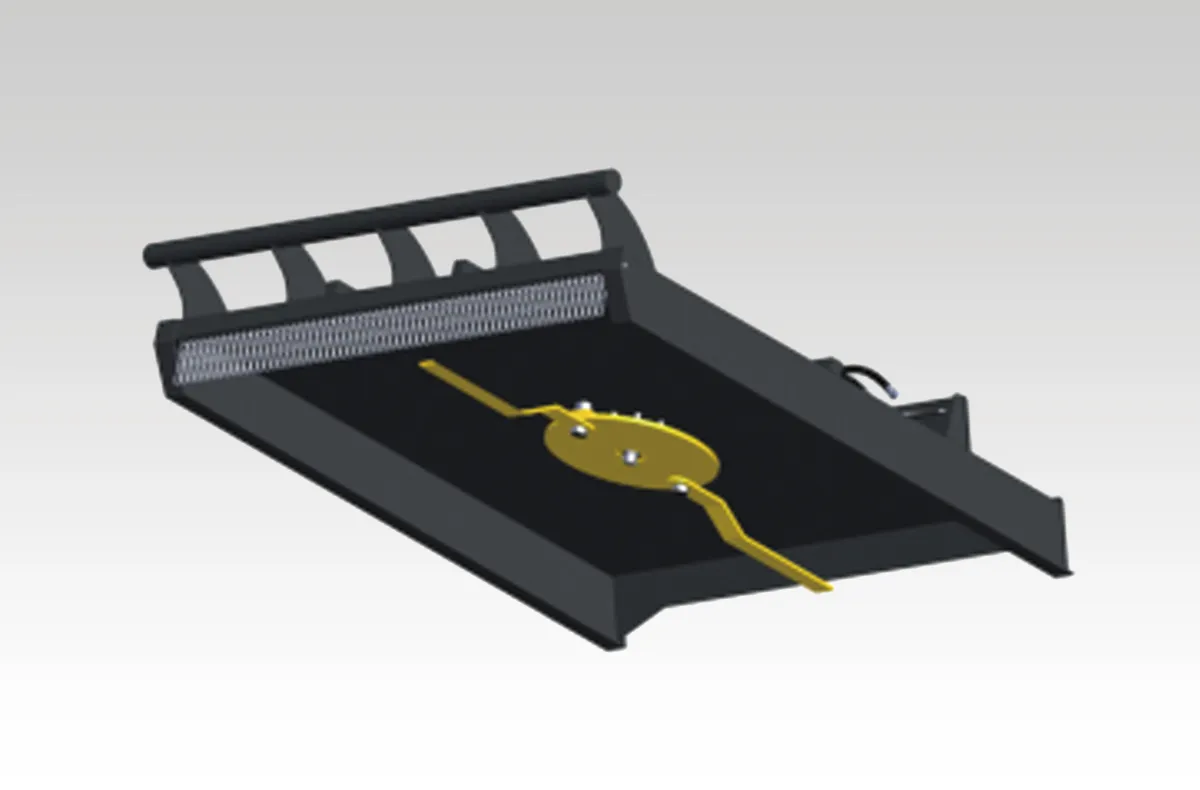
On a recurring municipal roadside mowing route, the fastest cut on an open verge rarely tells you what the crew will finish in a shift. Driveways interrupt runs, culverts put some edges out of reach, and a patch of woody growth can turn a routine pass into a separate job. For a rural road with grass verges on both sides, specify a tractor and flail mower for the accessible runs, then price and schedule exceptions separately. That keeps the mowing crew moving without asking it to work ground the machine has not been approved to cover.
For more equipment selection references, browse the HCN field and equipment guides. Start this route plan with the municipal roadside mowing application, then use the carrier and product pages to prepare a fit inquiry.
Survey the route before selecting the mower
Treat each side of the road as a separate run. The outbound side may have a continuous shoulder while the return side has narrow driveway approaches, soft edges or open drainage. Record the length and required cut width of each run, the prevailing vegetation, fixed obstacles, and approved locations for turning or repositioning. Mark restricted sections on the route sheet before assigning work. A map can establish length, but a field inspection is needed to assess ground conditions and find debris or hidden structures.
Agree on the acceptance standard with the road authority before the trial: which strips must be cut, the target finish or cut height, how to treat space around delineators and culvert heads, and how deferred sections will be recorded. Identify any sightline areas with their own requirements. Without these rules, the lowest bid may simply be based on mowing less of the road.
Match the machine and attachment to the ground
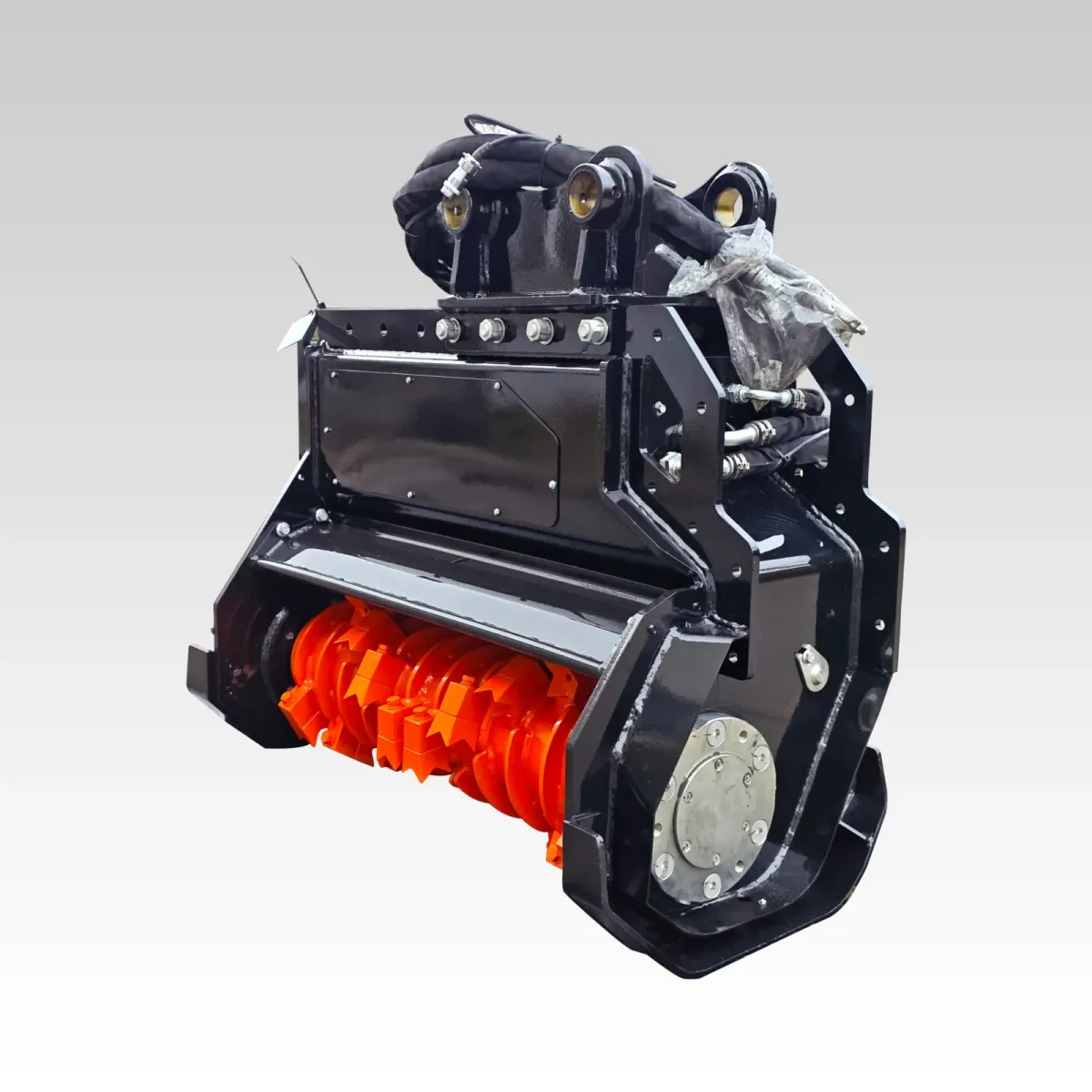
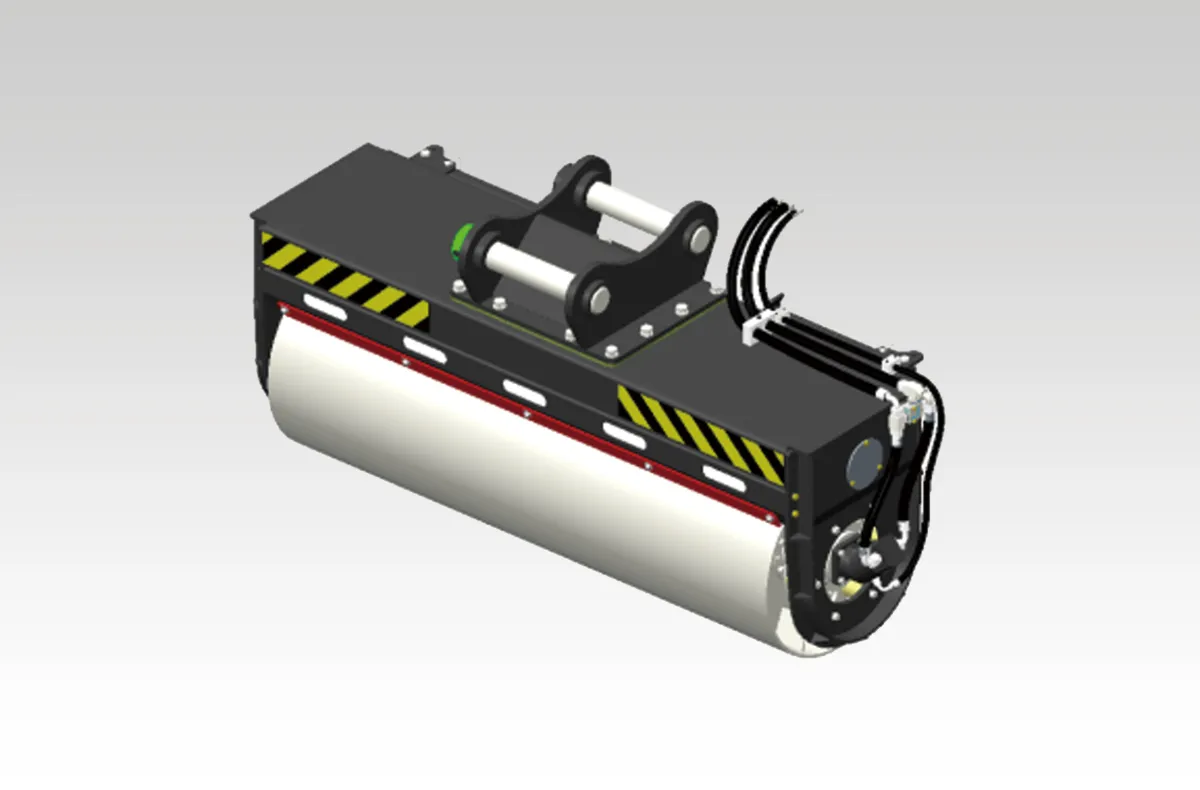
For the main mowing pass, start with HCN's tractor attachment listings and use the HCN attachment catalog to review the HN36 Flail Mower. Treat this as a proposed pairing until HCN confirms the exact configuration against your tractor. For discrete patches of vegetation outside the confirmed flail mower limits, review the excavator attachment listings and evaluate a compatible excavator with the HN38 Brush cutter as a separate work package. Do not mobilize an excavator for routine grass cutting just to keep one crew responsible for the whole route.
| Route segment | Candidate assignment | Release condition |
|---|---|---|
| Continuous grass verge with firm, accessible ground | Confirmed tractor and HN36 Flail Mower configuration | Verify carrier fit, safe travel path, clearance, and finish on a representative trial strip. |
| Grass interrupted by posts, driveway crossings or culvert heads | Use the same tractor and HN36 only on accessible sections; list missed pockets separately. | Agree on obstacle clearances and who completes or signs off the remaining work. |
| Isolated woody regrowth outside the confirmed HN36 limits | Assess a compatible excavator with the HN38 Brush cutter as a separate pass. | Verify vegetation suitability, carrier setup, a stable operating position and an approved work zone. |
| Soft shoulder, hidden ditch edge or unverified slope | Defer the section pending site assessment. | Resume only with an approved method and operating limits for the equipment assigned. |
Get a configuration-specific fit decision
Give HCN the tractor make, model, mounting arrangement, available drive information, tire setup and any relevant ballast or axle limits from the tractor documentation. Request the HN36 mounting drawing, weight, working and transport dimensions, drive requirements, applicable vegetation limits, and setup instructions for the configuration quoted. Confirm clearance through the allowed range of motion and in transport, not just when the attachment is sitting on level ground.
Do not assume PTO or hydraulic drive from the product name. If the offered configuration is PTO-driven, verify the required speed, rotation, driveline geometry and guarding against both manuals. If it is hydraulically driven, confirm available flow and pressure, return requirements and any case drain specified by HCN. Have the supplier and fleet engineer resolve any mismatch before ordering. An attachment that mounts correctly can still be unsuitable because of drive, clearance, stability or transport constraints.
Organize the route around continuous cutting
Make the exception list before dispatch
Give the operator a route sheet that distinguishes mowable runs, restricted sections, and approved start and turnaround points. Have the crew check for litter, wire, rocks, drainage structures and changes in ground condition before cutting. Handle debris removal and access under the approved work-zone plan. The road authority's traffic-control requirements and the equipment manuals govern the setup, including measures to protect road users and bystanders from thrown material. Flag unresolved hazards rather than cutting through them to preserve the schedule.
Group similar runs and avoid repeated repositioning
Where the traffic plan allows, group long grass runs so the operator can hold a consistent setup. Put closely spaced driveways and culvert approaches into a distinct route segment with their own time allowance. Plan return travel and crossing points in advance rather than assuming the operator can reverse direction at the end of every strip. If an HN38 pass is justified, combine approved brush patches into one mobilization when practical and record those sections separately so they are not also counted as HN36 output.
Set travel speed from the finished strip
Start on a representative strip within the confirmed operating limits and inspect the result before using that pace elsewhere. Check for missed bands, uneven finish, scalping and unacceptable debris on the roadway. If a run needs a second pass, record both the rework time and the likely reason. Dense vegetation may require a different pace; recurring missed bands may point instead to overlap, setup or worn cutting parts. Check the relevant instructions before making adjustments. Stop and isolate the equipment as directed by the manuals before inspecting the cutting assembly or dealing with a blockage.
Measure accepted work, not just distance travelled
For a consistent cut width, divide accepted verge-kilometres by elapsed crew-hours on the shift. A one-kilometre road segment with both sides completed counts as two verge-kilometres; the same segment with only one side accepted counts as one. Here, an elapsed crew-hour means one clock hour for the assigned crew, not the sum of its members' labor hours. Include route setup, inspections, turns, relocations, traffic holds and rework in the time denominator. If widths vary substantially, record accepted area as well so a narrow shoulder is not treated as equivalent to a wide verge.
Keep cutting time separate from non-cutting time in the log. If the mower produces an acceptable finish while cutting but the crew loses most of its time to turnarounds and access holds, revise route sequencing or the approved traffic arrangement before assuming a different mower would solve the problem. If rework accounts for the shortfall, address the finish, setup or vegetation classification first. Record the crew size and traffic-control arrangement alongside the rate so procurement can compare results on the same basis.
Run a representative trial before accepting the quote
Include one open grass run and one interrupted run with typical obstacles. Use the tractor configuration, crew and traffic controls planned for the contract. Ask the operator and supervisor to log accepted distance, elapsed time, non-cutting delays and sections deferred. Check transport and access as well as mowing performance: a combination that cuts cleanly may still be a poor route fit if it cannot use the designated staging and turnaround points within its approved limits.
Before placing the order, agree on what counts as a pass in the trial and what must be resolved in writing. Confirm the mounting and drive components included in the quote, operating instructions, wear-parts identification, and support for the exact supplied configuration. To get a fit review, send HCN a compatibility inquiry with tractor details, mounting photos or drawings, representative verge photos, and the planned vegetation and finish. Ask for exact specifications rather than transferring figures from another mower or carrier.
Frequently Asked Questions
Will the HN36 Flail Mower fit our municipal tractor?
Do not assume fit from the tractor category or a horsepower rating. Send HCN the tractor make, model, configuration, mounting details and available drive information. Request written confirmation of the interface, drive requirements, clearances, and working and transport limits for the HN36 configuration offered.
Does the HN36 require PTO or hydraulic drive?
Confirm the drive arrangement for the exact HN36 configuration in the quotation. If PTO-driven, verify shaft speed, rotation, driveline geometry and guarding. If hydraulically driven, verify flow, pressure, return requirements and any case drain specified by HCN.
Can the HN36 handle woody regrowth along the route?
Only assign vegetation within the limits confirmed for the quoted HN36. If woody growth exceeds those limits, mark it as an exception and assess it separately. The HN38 Brush cutter is a candidate for a compatible excavator where the vegetation, ground conditions and work-zone plan permit.
Should a tractor flail mower be used on ditch batters?
Do not infer ditch suitability from a successful trial on level ground. Assess the tractor and attachment limits, soil bearing, edge condition and operating position together. Keep uncertain or inaccessible slopes out of the tractor mowing scope.
What productivity measure is best for a roadside mowing bid?
Use accepted verge-kilometres per elapsed crew-hour when mowing width is consistent. Count each side of the road independently and include turns, inspections, relocations and traffic-control delays in the measured time. For variable widths, also record accepted area.
What documents should procurement request with the HN36 quote?
Request a configuration-specific specification sheet, mounting drawing, drive requirements, working and transport dimensions, attachment weight, operating and maintenance instructions, and a wear-parts list. Ask the supplier to identify what is included and confirm fit to the nominated tractor in writing.
Need exact hydraulic specs, drawings, or compatibility confirmation? Contact HCN with your carrier model and quantity.
 +86 185 5285 3111
 +86 185 5285 3111
 nancy@hcn-tech.com
