




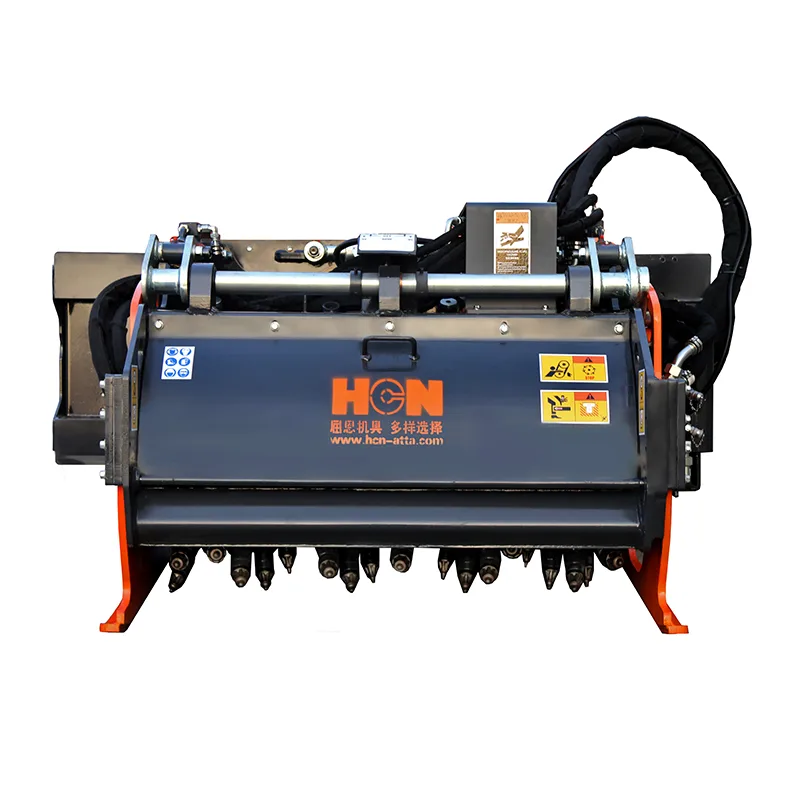
Future Trends of Hydraulic Attachments in Smart Equipment
Construction equipment is undergoing a fundamental shift. Machine telematics, GPS-guided grading, autonomous haulage, and connected fleet management platforms are moving from pilot projects to mainstream deployment across Australia, North America, Europe, and the Middle East. Hydraulic attachments—traditionally mechanical implements driven by carrier hydraulics—are evolving in parallel, integrating sensors, data interfaces, and intelligent control features that align with the smart construction equipment ecosystem.
XUZHOU HCN ATTACHMENTS MANUFACTURE CO., LTD (HCN Attachments) invests in engineering capabilities that anticipate these trends while delivering proven, CE-certified products for today's global export markets. This article examines where hydraulic attachment technology is heading and what equipment dealers and contractors should prepare for.
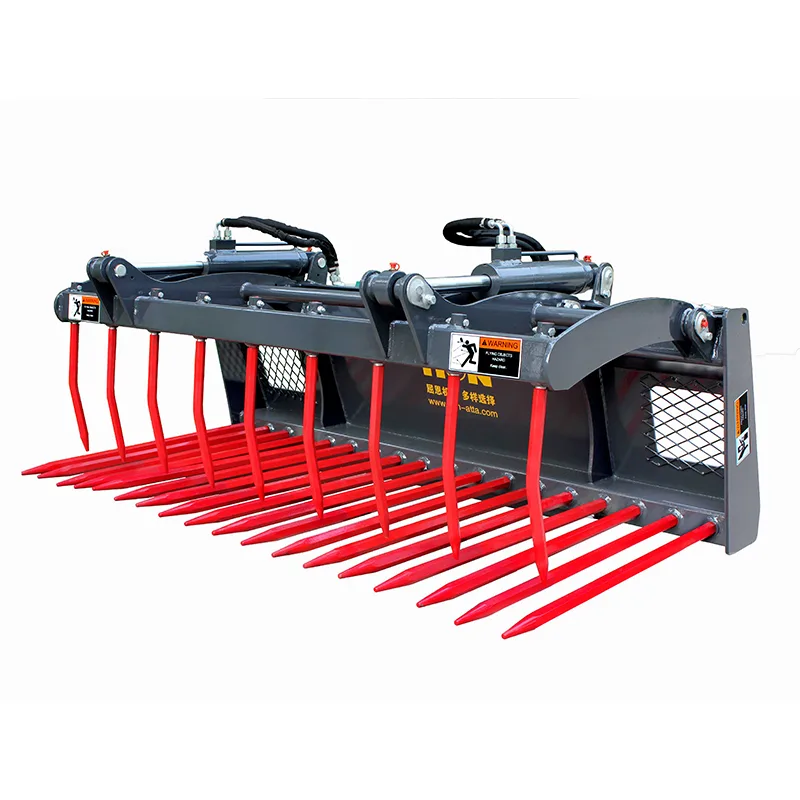
The Connected Job Site and Attachment Data
Modern excavators, wheel loaders, and skid steers transmit operating hours, fuel consumption, hydraulic temperature, and fault codes to cloud platforms accessible by fleet managers and dealers. Attachments historically sat outside this data loop—replaced and serviced reactively when wear became visible or performance degraded.
Smart attachment concepts embed sensors monitoring cycle counts, impact frequency, hydraulic pressure profiles, and wear component status. When integrated with carrier telematics, this data enables predictive maintenance scheduling, accurate job costing, and inventory optimisation for rental fleets managing hundreds of engineering machinery attachments across multiple sites.
Benefits for Dealers and Rental Companies
- Usage-based billing — accurate attachment hour tracking on rental contracts
- Preventive service alerts — seal kit and bush replacement before field failure
- Fleet utilisation analytics — identify underused attachment categories for portfolio adjustment
- Theft deterrence — GPS-enabled attachment tracking on high-value hydraulic tools
Automated and Semi-Automated Coupler Systems
Quick coupler technology has progressed from manual pin insertion to fully automatic hydraulic locking systems that allow operators to change excavator attachments without leaving the cab. Safety standards, particularly in Europe under CE requirements, have tightened around coupler design following industry incidents related to unintended release.
Future coupler development focuses on redundant locking verification, electronic confirmation signals to the carrier display, and interlock integration with machine control systems. Semi-automated systems for skid steer attachments reduce connection time on rental yards where frequent tool changes occur throughout the working day.
Machine Control Integration
Grade control and payload weighing systems on modern wheel loaders and excavators deliver real-time data to operators and supervisors. Attachments designed with standardised data interfaces can contribute weight, position, and material classification information to these platforms.
Examples emerging in the market include buckets with integrated load cells reporting fill weights to on-board displays, tilt rotators communicating rotation angle to 3D machine control systems, and compaction attachments feeding pass count data to quality assurance software on infrastructure projects. HCN Attachments engineering team evaluates integration requests from OEM carrier partners and dealer customers seeking factory-direct customized solutions.
Construction software platforms increasingly aggregate machine and attachment data into unified project dashboards. Site managers viewing real-time fleet status can allocate attachments to tasks based on utilisation analytics rather than assumptions, improving equipment ROI across multi-phase infrastructure developments in the Middle East, North America, and European markets.
Electrification and Hybrid Carrier Implications
Electric and hybrid excavators, wheel loaders, and compact equipment introduce different hydraulic system characteristics—variable flow management, energy recovery priorities, and reduced noise requirements on urban job sites. Attachment manufacturers must adapt designs to operate efficiently within these parameters without compromising breakout force or cycle speed.
Design Considerations for Next-Generation Carriers
- Optimised hydraulic motor efficiency for lower flow draw
- Reduced attachment weight to preserve battery range on electric carriers
- Quieter operation features for urban demolition and utility work
- Compatibility with electric auxiliary power outlets on hybrid platforms
Industry Trend Summary: Attachment Technology Roadmap
The table below summarises key trend areas, current market status, and expected adoption timeline for dealers planning attachment inventory and service investments.
| Trend Area | Current Status | Dealer Impact | Expected Adoption |
|---|---|---|---|
| Attachment telematics sensors | Early commercial products, premium segment | New service revenue from data subscriptions | 2026–2028 mainstream |
| Automated quick couplers | Established on large excavators, CE-regulated | Higher unit value, specialist installation | Continued growth |
| Machine control interfaces | Integrated on select tilt rotators and buckets | Bundled sales with carrier control packages | 2027+ broader availability |
| Electric carrier optimisation | R&D phase at major OEMs | Lightweight attachment demand increase | 2028–2030 volume market |
| Predictive maintenance AI | Fleet platform feature development | Parts sales driven by algorithm alerts | 2027+ rental fleet adoption |
Sustainability and Material Efficiency
Smart construction extends beyond electronics to material use and lifecycle management. Attachment manufacturers face growing expectations for recyclable steel content, reduced coating environmental impact, and extended wear part life through improved metallurgy. Factory-direct producers like HCN Attachments control material sourcing and heat treatment processes, enabling systematic improvements in bucket tooth hardness, cutting edge longevity, and structural member durability.
Global export customers in Europe increasingly request environmental product declarations and supply chain transparency. China manufacturers who document material origins and production energy practices gain competitive advantage in tender-driven procurement environments across AU, USA, Canada, and Middle East public infrastructure projects.
HCN Attachments Innovation Strategy
HCN balances forward-looking research with the reliability demands of current field operations. Our OEM customization programmes allow dealers to specify attachment configurations aligned with regional market maturity—proven mechanical designs for cost-sensitive segments, and sensor-ready platforms for customers piloting connected fleet programmes.
CE certification remains foundational across all development paths. Smart features must not compromise structural safety or hydraulic integrity assessed under Machinery Directive conformity procedures. HCN engineering validates new designs through computational load analysis, prototype testing, and production quality controls before global export release.
Partnering with Dealers on Future Products
Equipment dealers closest to end users provide essential feedback on which smart attachment features deliver practical value versus marketing complexity. HCN Attachments welcomes technical collaboration from international partners seeking factory-direct development of next-generation hydraulic tools tailored to excavator attachment, skid steer attachment, and wheel loader application segments.
Rental fleet operators tracking attachment utilisation through telematics can optimise purchase decisions, retiring underperforming tool categories and expanding inventory where demand data supports investment.
Data Standards and Interoperability Challenges
One obstacle slowing attachment telematics adoption is the absence of universal data protocols across carrier OEMs. Proprietary telematics platforms may not readily accept third-party sensor inputs from attachment manufacturers. Industry collaboration toward standardised CAN bus interfaces and open API frameworks will accelerate integration, benefiting dealers who sell mixed-brand fleets with unified attachment inventories.
HCN Attachments monitors these developments through participation in trade associations and direct feedback from global export partners, ensuring future product designs align with emerging connectivity standards rather than requiring costly retrofits.
Preparing Your Dealership for Smart Attachment Sales
Forward-thinking dealers should invest in technician training for sensor-equipped attachments, develop service packages for calibration and firmware updates, and educate sales teams on total cost of ownership benefits that connected tools provide. Early adopters in AU, USA, Canada, Europe, and Middle East markets position themselves as technology leaders rather than commodity attachment resellers competing solely on price.
Conclusion
The future of hydraulic attachments lies at the intersection of proven mechanical engineering and connected equipment intelligence. Dealers and contractors who understand emerging trends—telematics integration, automated couplers, machine control compatibility, and electrification adaptation—will position their attachment businesses for growth as smart construction equipment becomes standard across global markets.
HCN Attachments combines China manufacturing scale with OEM engineering depth to serve this transition. Visit hcn-tech.com to discuss current product supply and future development partnerships for your AU, USA, Canada, Europe, and Middle East markets.
 +86 185 5285 3111
 +86 185 5285 3111
 nancy@hcn-tech.com
