




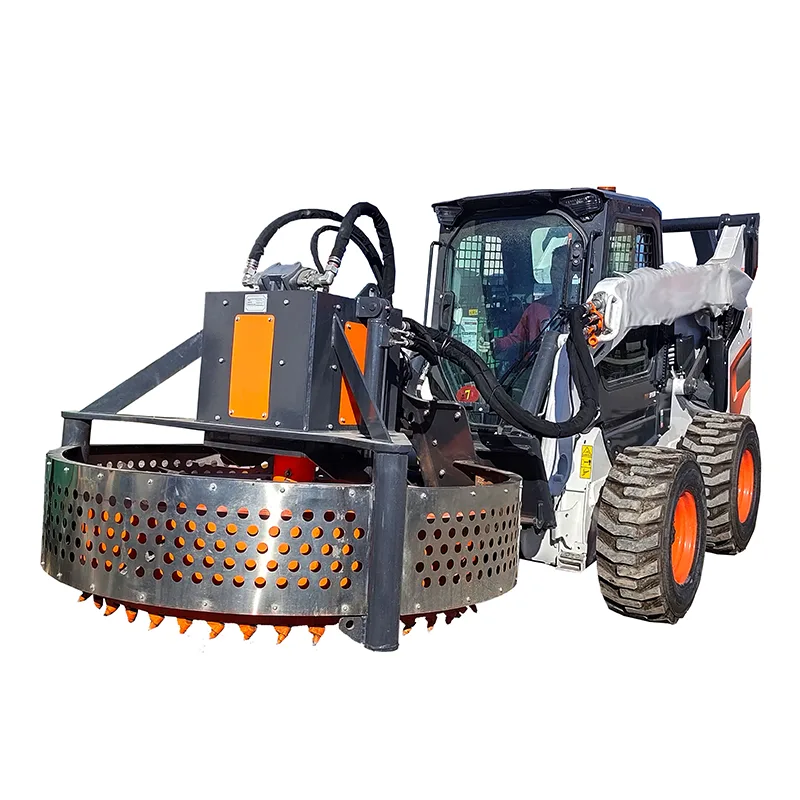
How to Repair Manholes Faster with a Skid Steer Manhole Saw
Manhole repairs often take longer than expected because the damaged manhole itself is only part of the problem. Before a frame, collar, or cover can be repaired or replaced, contractors usually need to remove the surrounding asphalt or concrete without creating an unnecessarily large excavation area.
Traditional manhole repair methods may involve several jackhammers, handheld cutting equipment, lifting equipment, and multiple workers. For contractors handling repeated utility or municipal road repairs, this can turn a relatively small repair into a labor-intensive operation.
A skid steer manhole saw provides a more specialized approach. Instead of breaking pavement randomly around the manhole, a dedicated attachment is designed to cut around the existing collar and remove the surrounding pavement in a controlled manner.
HCN's 021560 Manhole Saw is specifically designed for removing the collar and surrounding concrete and asphalt around manhole covers. The attachment combines hydraulic cutting power, a self-aligning hydraulic clamp, carbide-tipped cutting picks, and a hydraulic-powered breakout system to support the complete pavement-removal process.
Why Manhole Repairs Can Become Time-Consuming
A damaged manhole cover is usually easy to identify from the road surface, but accessing the underlying structure can require significant pavement removal.
Asphalt and concrete surrounding the manhole may be tightly bonded to the collar. Traffic loads, moisture, repeated repairs, pavement settlement, and resurfacing work can make the surrounding area even more difficult to remove.
A typical repair may involve several stages:
Inspecting the damaged manhole and surrounding pavement.
Removing asphalt or concrete around the existing collar.
Removing the damaged frame, collar, or cover.
Preparing the opening for the replacement components.
Installing or resetting the manhole assembly.
Reconstructing the pavement around the repaired area.
The first stage is often where contractors lose the most time. If a large area has to be demolished manually, the crew must spend additional time breaking, lifting, loading, and disposing of unwanted pavement.
A purpose-built manhole saw addresses this part of the workflow directly.
What Is a Skid Steer Manhole Saw?
A skid steer manhole saw is a specialized hydraulic attachment used to cut pavement around an existing manhole.
Unlike a standard bucket or hydraulic breaker, the attachment is designed around the geometry of a manhole. The cutting system works around the collar while the attachment remains secured and centered.
HCN's 021560 Series II Manhole Saw is designed for removing the collar and surrounding concrete and asphalt encasing manhole covers. HCN lists a cutting depth of up to 14 inches, optional drum widths, and centering arms for different overlay applications.
The attachment also uses a self-aligning hydraulic clamp to secure the saw to the manhole collar. This allows the cutting system to remain positioned around the target area during operation.
For contractors who regularly perform manhole replacement, utility maintenance, pavement rehabilitation, or municipal road work, this specialized design can provide a more repeatable repair process.
How Does a Hydraulic Manhole Saw Work?
The operating principle is relatively straightforward, but the combination of cutting, clamping, and breakout functions makes the attachment different from conventional demolition equipment.
1. Position the Skid Steer
The skid steer loader is positioned over the manhole so the attachment can be aligned with the existing collar.
Before operation, the operator should confirm that the host machine meets the hydraulic flow, pressure, mounting, and operating requirements specified by the attachment manufacturer.
2. Center the Attachment
The manhole saw is positioned around the collar. A self-aligning hydraulic clamp helps secure the attachment and maintain its position during cutting.
Proper centering is important because the objective is to remove the pavement around the manhole without unnecessarily increasing the size of the repair area.
3. Cut the Pavement
The hydraulic cutting system drives the cutting drum around the manhole.
According to HCN's product information, the 021560 uses 45 carbide-tipped picks and hydraulic motors. Cutting pressure is applied hydraulically rather than relying simply on the weight of the skid steer.
The product is designed to cut through concrete, asphalt, and brick. Its published maximum cutting depth is 14 inches.
4. Break Out the Core
After the circular cut has been completed, the surrounding pavement needs to be removed.
The HCN 021560 includes a hydraulic-powered breakout function. The design allows the skid steer loader arms to remain safely down during the breakout stage, while the attachment lifts the cut material from the work area.
5. Remove the Existing Manhole Components
Once the pavement surrounding the collar has been removed, contractors can access the existing manhole assembly and continue with the required repair or replacement procedure.
This creates a workflow that combines cutting and breakout into a specialized manhole maintenance operation rather than relying entirely on separate demolition tools.
Why Controlled Cutting Matters in Manhole Rehabilitation
One of the key advantages of a dedicated manhole cutter is the ability to control the shape of the pavement removal area.
Traditional square pavement cuts can create sharp corners. Those corners may become stress concentration points when the repaired area is subjected to repeated traffic loading.
A circular cut produces a rounded repair boundary. HCN specifically highlights the circular cutting pattern of the 021560 as an alternative to traditional square cuts.
For contractors, the important point is not simply the shape of the hole. The repair boundary affects how the replacement material is installed and how the repaired pavement interfaces with the surrounding surface.
A controlled cutting process can therefore help create a more predictable starting point for the reconstruction stage.
Skid Steer Manhole Saw vs. Hydraulic Breaker
A hydraulic breaker remains a highly useful attachment for general demolition. However, a breaker and a manhole saw solve different problems.
Hydraulic Breaker
A breaker is designed for breaking concrete, rock, and other hard materials. It is versatile and can be used across many demolition and excavation applications.
For irregular demolition areas, a breaker can be the appropriate tool. However, breaking pavement around a manhole may require more material to be demolished than the contractor actually needs to remove.
Manhole Saw
A manhole saw is designed specifically around manhole rehabilitation.
The attachment combines a cutting drum, hydraulic clamping system, positioning components, and breakout capability. This specialized configuration makes it particularly relevant when the contractor performs repeated manhole repairs.
The choice therefore depends on the contractor's workload.
A company performing occasional demolition may prioritize the versatility of a breaker. A municipal maintenance contractor or utility contractor performing recurring manhole work may have a stronger reason to invest in a dedicated manhole saw.
Where Can a Manhole Saw Be Used?
A skid steer manhole saw can be considered for a range of pavement and utility maintenance environments.
Municipal road maintenance
Utility infrastructure repair
Manhole frame replacement
Manhole cover rehabilitation
Asphalt pavement repair
Concrete pavement repair
Commercial parking areas
Industrial access roads
Road resurfacing projects
Utility maintenance programs
The attachment is especially relevant where contractors need to repeatedly expose manholes without removing excessive surrounding pavement.
What to Check Before Buying a Skid Steer Manhole Saw
Buying a specialized attachment requires more than checking whether the mounting plate fits the skid steer.
Hydraulic Flow and Pressure
Hydraulic compatibility is one of the first specifications that should be checked.
HCN's published information for the 021560 indicates a hydraulic requirement of 33 GPM or higher and lists a working hydraulic flow of 130–150 L/min with a working pressure of 21 MPa.
Contractors should always compare these requirements with the exact specifications of their host machine before ordering.
Cutting Depth
Pavement thickness varies significantly between projects.
HCN lists a maximum milling depth of 260 mm for the 021560 in its technical specification table, while the product description identifies the unit as capable of a 14-inch-deep cut.
Contractors should evaluate the actual pavement construction encountered on their jobs and confirm the applicable specification with HCN before selecting the configuration.
Cutting Diameter
The cutting diameter determines the size of the pavement section removed around the manhole.
HCN identifies a 54-inch diameter hole as the standard configuration for the 021560 and states that optional sizes are available.
This is an important consideration when contractors regularly work with different manhole sizes or different pavement overlay requirements.
Cutting Tools
Cutting tools are wear components and should be considered as part of the attachment's long-term operating cost.
The 021560 uses 45 carbide-tipped picks. Contractors purchasing the attachment for frequent use should understand the inspection, replacement, and maintenance requirements for the cutting system.
Breakout System
Cutting the pavement is only half of the operation. The separated pavement section must also be removed.
A hydraulic breakout function can simplify this stage by allowing the attachment to handle the cut material as part of the same operation.
How to Improve Manhole Repair Productivity
Productivity is not determined by cutting speed alone.
A contractor should consider the complete cycle:
Machine positioning
Attachment alignment
Clamping
Pavement cutting
Breakout
Material removal
Manhole replacement
Pavement reconstruction
Site cleanup
If a specialized attachment reduces the number of separate tools required during the pavement-removal stage, the overall workflow may become easier to organize.
HCN states that the 021560 can significantly reduce the time required for manhole repair compared with traditional jackhammer methods. The actual productivity achieved on a particular project will depend on pavement material, thickness, machine configuration, operator experience, site access, and other job conditions.
Manhole Repair and Asphalt Pavement Work
Manhole repairs often occur as part of larger pavement maintenance projects.
After the damaged pavement surrounding a manhole has been removed, contractors may need additional equipment for milling, grading, material handling, and compaction.
HCN also manufactures a 0206 Series Cold Planer, which is designed for asphalt and concrete milling applications, including pavement repair and roadway work around manholes.
This creates a potential equipment combination for contractors handling broader pavement maintenance operations: a dedicated manhole saw for controlled manhole removal and a cold planer for larger localized milling and surface preparation tasks.
Using a Skid Steer as a Multi-Function Road Maintenance Machine
One reason skid steer attachments remain attractive to contractors is the ability to use one host machine across multiple job functions.
Depending on the project, the same skid steer may be configured for grading, material handling, milling, sweeping, snow removal, excavation, or specialized utility work.
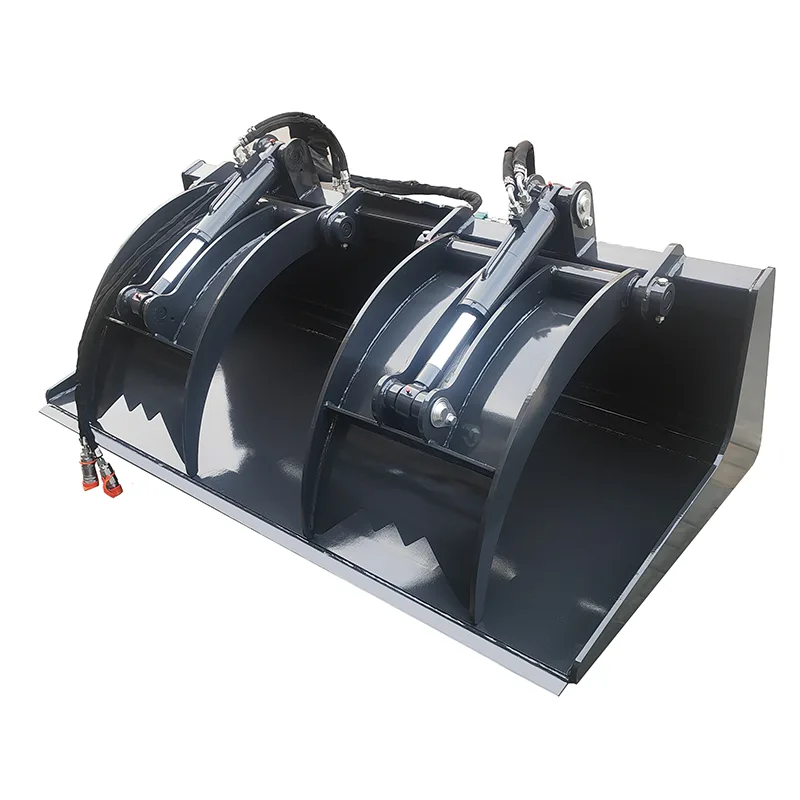
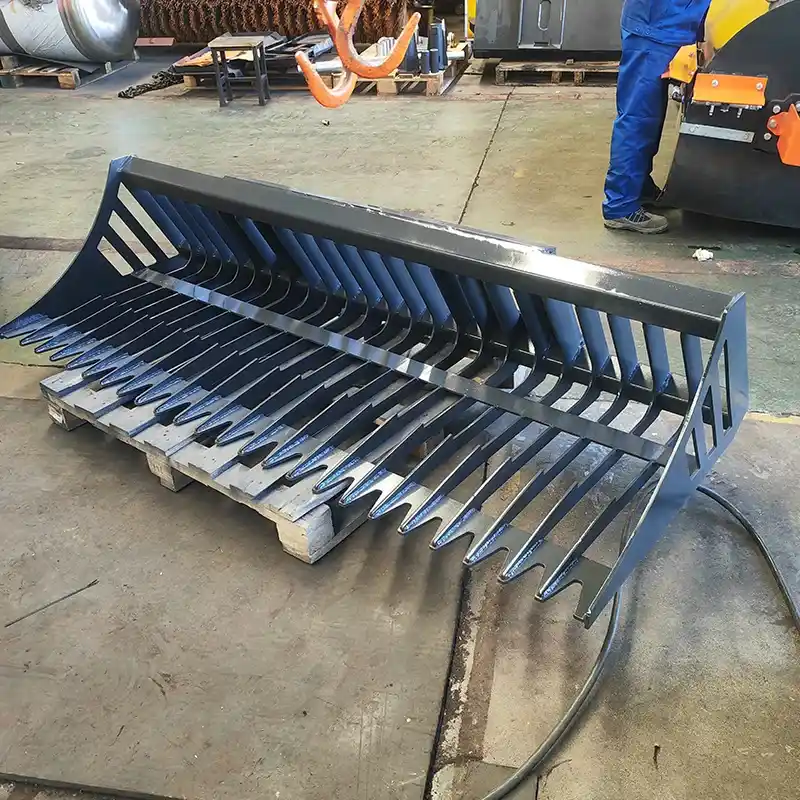
HCN's product range includes attachments such as cold planers, vibratory rollers, tree spades, pallet forks, wheel saws, dozer blades, and manhole saws.
For example, the HCN 0205 Vibratory Roller is designed for compaction applications involving materials such as sand, gravel, soil, and asphalt.
For contractors involved in road maintenance, this type of attachment strategy can allow the host machine to support multiple stages of a project without requiring a separate dedicated machine for every individual task.
Common Mistakes When Using a Manhole Saw
Choosing the Attachment Without Checking Hydraulic Requirements
A quick-attach connection alone does not guarantee compatibility.
Hydraulic flow and pressure must be matched to the attachment manufacturer's requirements. Electrical connections and machine operating capacity should also be checked.
Ignoring Pavement Thickness
Contractors should determine the typical pavement thickness on their projects before selecting the cutting configuration.
Trying to use an attachment beyond its specified operating range can reduce performance and increase wear.
Failing to Maintain Cutting Components
Carbide cutting picks are exposed to significant wear when cutting concrete, asphalt, or brick.
Regular inspection helps identify worn or damaged components before they affect cutting performance.
Using Incorrect Positioning Procedures
The attachment should be centered and secured according to the manufacturer's operating instructions.
Incorrect positioning can affect the shape of the cut and may increase unnecessary pavement removal.
Evaluating Only the Purchase Price
For professional contractors, the cost of an attachment should be considered alongside labor, machine utilization, maintenance, wear components, transportation, and expected job frequency.
A specialized attachment may make economic sense when the same type of repair is performed repeatedly.
Why Contractors Should Consider a Specialized Manhole Repair Attachment
Manhole maintenance is a specialized task that combines pavement cutting, material removal, utility access, and pavement reconstruction.
General-purpose equipment can perform parts of this process, but a purpose-built attachment is designed around the complete problem.
The HCN 021560 Manhole Saw combines hydraulic cutting, clamping, centering, and breakout functions in one skid steer attachment. Its published specifications include a 900 kg operating weight, 130–150 L/min hydraulic flow, 21 MPa working pressure, and a maximum milling depth of 260 mm.
Contractors should use these specifications as a starting point and confirm the final configuration according to their skid steer model and project requirements.
HCN 021560 Manhole Saw for Road and Utility Maintenance
The HCN 021560 Manhole Saw is designed specifically for removing concrete and asphalt surrounding manhole covers.
Its design includes a hydraulic-powered cutting system, 45 carbide-tipped picks, a self-aligning hydraulic clamp, and a hydraulic breakout function. HCN also offers different drum and centering configurations for different pavement and overlay applications.
For contractors, the most important consideration is whether the attachment matches the actual requirements of their work.
Before purchasing, verify the host skid steer hydraulic system, cutting depth, cutting diameter, pavement type, attachment configuration, and expected workload with HCN.
Conclusion
Efficient manhole repair begins with controlled pavement removal.
A dedicated skid steer manhole saw can provide contractors with a more specialized method for cutting and removing the asphalt or concrete surrounding a manhole. Instead of relying entirely on multiple jackhammers and general demolition tools, contractors can use a hydraulic attachment designed specifically for this type of repair.
The HCN 021560 combines cutting, clamping, centering, and breakout functions to support manhole rehabilitation and utility road maintenance work.
For contractors, municipalities, rental fleets, and utility maintenance companies that perform recurring manhole repairs, the key question is not simply how much the attachment costs. The more useful question is whether a dedicated manhole saw can improve the complete repair workflow, reduce unnecessary pavement removal, and make better use of an existing skid steer loader.
To review the actual product specifications and available configurations, visit the HCN 021560 Manhole Saw product page.
Frequently Asked Questions
1. What is a skid steer manhole saw used for?
A skid steer manhole saw is designed to cut and remove asphalt or concrete surrounding a manhole collar so contractors can access the frame, collar, and cover for repair or replacement.
2. Can the HCN 021560 cut both asphalt and concrete?
Yes. HCN describes the 021560 as a heavy-duty attachment designed to remove concrete and asphalt surrounding manhole covers. The product information also states that its carbide-tipped cutting picks can cut through concrete, asphalt, and brick.
3. How deep can the HCN 021560 Manhole Saw cut?
HCN's product description identifies a 14-inch cutting depth, while its technical specification table lists a maximum milling depth of 260 mm. Contractors should confirm the applicable configuration with HCN before purchasing.
4. What hydraulic flow does the HCN 021560 require?
HCN states that the unit requires a skid steer with 33 GPM or higher hydraulics. The technical table lists a hydraulic flow range of 130–150 L/min and a working pressure of 21 MPa.
5. What is the purpose of the hydraulic clamp?
The hydraulic clamp secures the attachment to the manhole collar and helps keep the cutting system centered during operation.
6. What is the standard cutting diameter of the 021560?
HCN identifies a 54-inch diameter hole as the standard configuration and states that optional sizes are available.
7. Is a manhole saw better than a hydraulic breaker?
They are designed for different purposes. A hydraulic breaker is a versatile general demolition tool, while a manhole saw is specifically designed for controlled pavement removal around manholes. Contractors performing frequent manhole repairs may find the specialized attachment more suitable for that application.
8. What should I check before buying a skid steer manhole saw?
Check hydraulic flow and pressure, host-machine compatibility, cutting depth, cutting diameter, pavement thickness, attachment weight, wear components, and the specific configuration required for your manhole repair work.
 +86 185 5285 3111
 +86 185 5285 3111
 nancy@hcn-tech.com
