




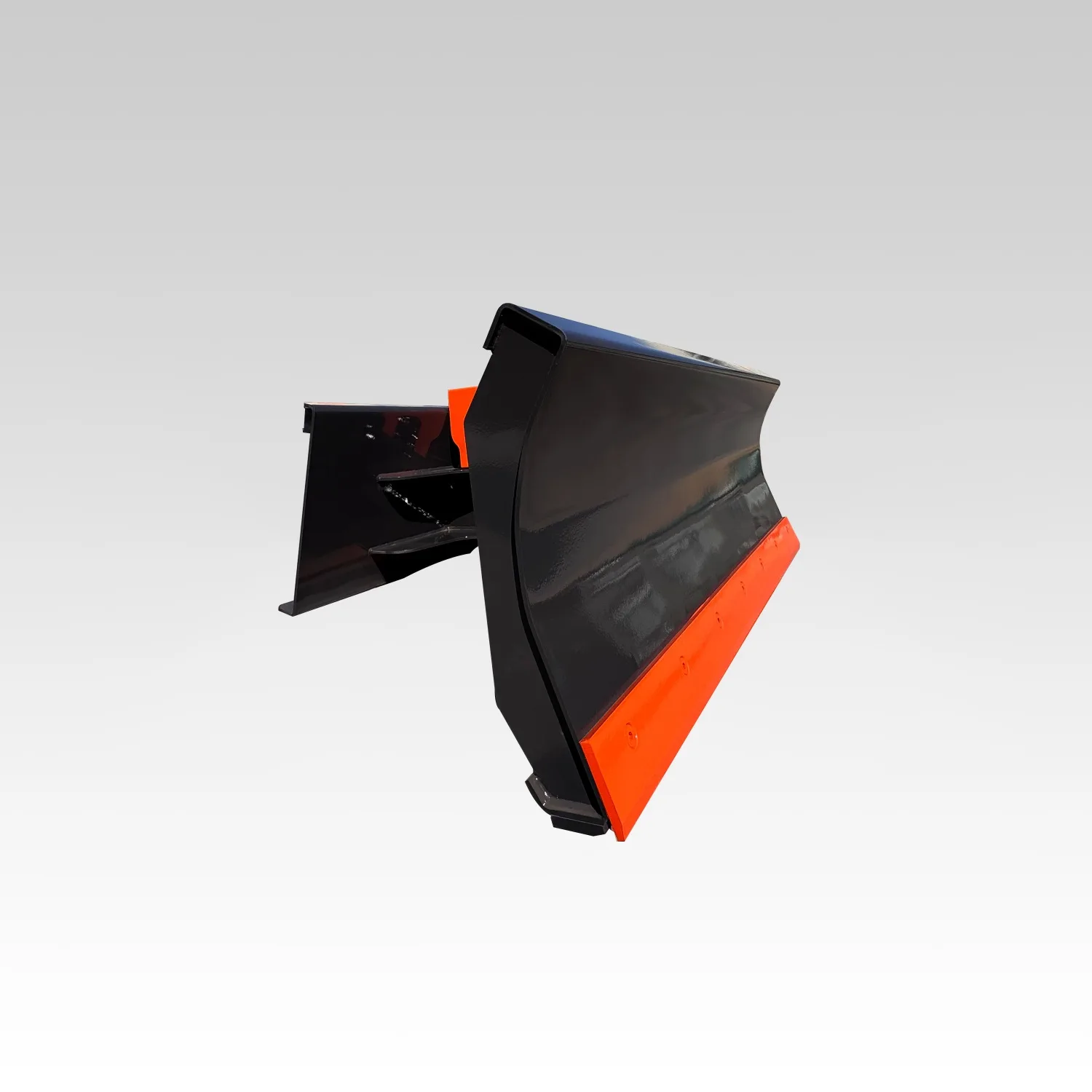
A dozer blade that fits the carrier on paper can still leave tire marks when angled, lose traction before moving the planned load, or overload a mounting system that was rated for a different job. Specify the work first, then ask HCN to confirm the exact 0309 Series Dozer Blade configuration against your carrier. Use this buying guide alongside the HCN equipment guides when preparing a dealer, contractor or fleet RFQ.
Start With the Grading Application
Write a job description that distinguishes spreading loose fill, maintaining a granular surface and shaving high spots from compacted ground. Loose material may call for greater coverage per pass; compacted or abrasive material may make penetration, traction and edge life more important than width. List the material, its condition, the finish tolerance, the room to turn and how far material needs to be pushed. If one blade will cover several sites, specify the hardest recurring job as well as the typical one.
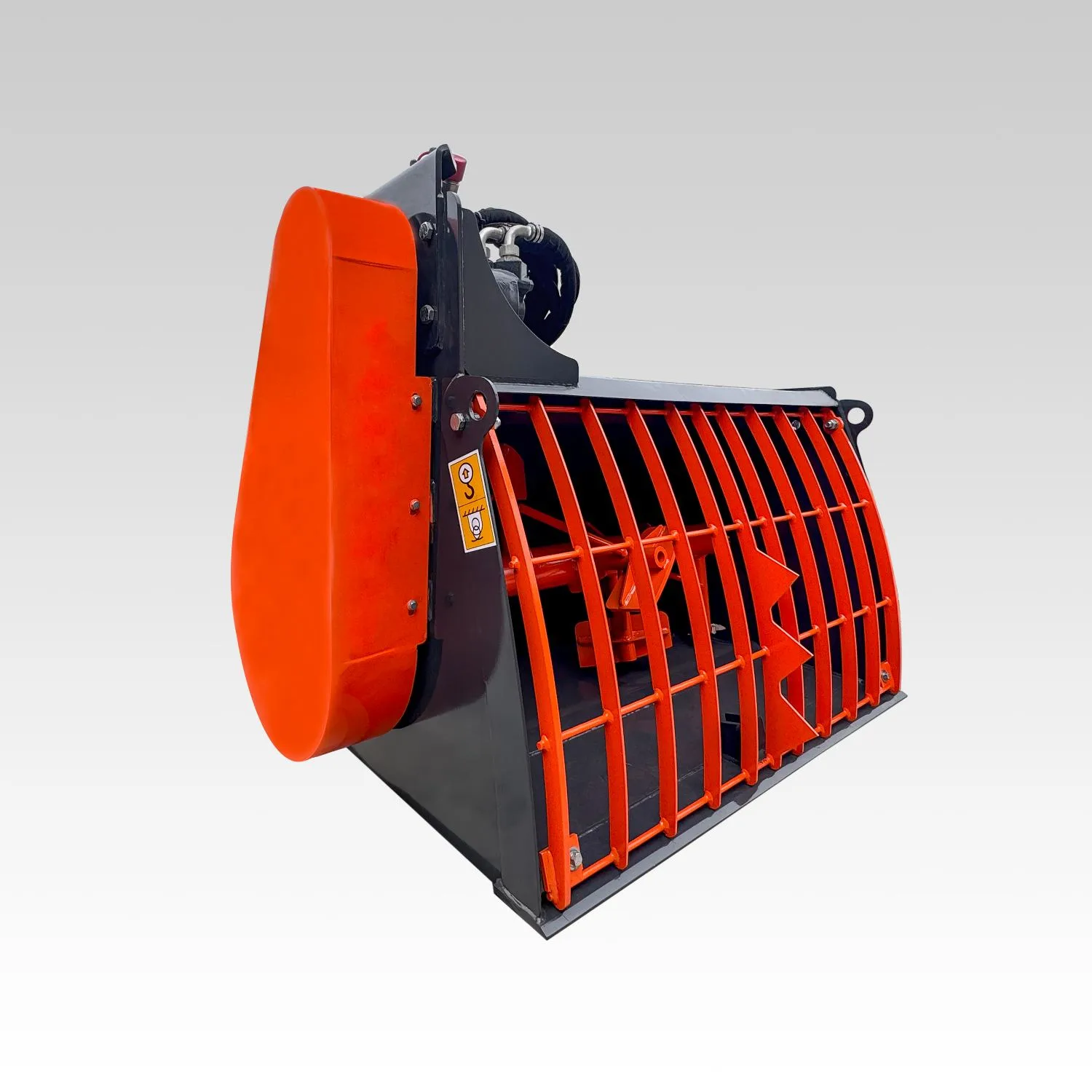
Also define where blade work stops. Pushing and spreading material is a different task from loading it or placing it to the side. If the job regularly requires side discharge, assess a separate attachment such as the BM35 Side-Dump Bucket for that part of the workflow, with its own carrier fitment review. Do not size the blade around work it will not perform.
Qualify the Carrier Before Choosing a Blade Width
Check operating weight, axle loads and permitted pushing loads
For a vehicle-based project, start with the chassis and upfit information rather than a generic truck tonnage class. The Truck Attachments section is a browsing route, not approval to install the 0309 on a truck. Record the carrier make, model, operating weight and actual working setup, including ballast and any equipment already installed. Obtain the quoted blade's installed mass and forward offset, including the adapter if one is proposed. On a truck, compare the resulting axle loads with the chassis limits in working and transport configurations. For another carrier type, use its manufacturer-approved limits for the proposed attachment and application.
A static weight check does not establish whether a carrier or mount can tolerate sustained pushing or repeated edge contact. Ask the carrier manufacturer or approved upfitter to confirm allowed mounting points and pushing loads. Treat frequent traction loss, repeated shock loading and continuous operation at hydraulic relief as reasons to review the application rather than simply move to a wider blade.
Verify the mount with drawings, not the quick-attach name
Send a dimensioned drawing or the exact identifier of the carrier's plate, coupler or chassis mounting system. Compare the engagement surfaces and locking points with the attachment drawing. Request side and front views showing the blade in the proposed installed positions, and check the full movement envelope for interference with the carrier, tires or tracks, and hoses. An adapter can solve a geometry mismatch while increasing forward offset and changing loads, visibility and clearance. Include it in the drawing review and installed-weight calculation.
Match hydraulic flow and pressure to the quoted functions
Ask which functions, if any, are actuated by the carrier's auxiliary circuit on the exact configuration quoted. For those functions, obtain the allowable flow range, operating pressure, relief requirements, connection details and any return-line limits. Compare them with the flow available at the relevant outlet and the carrier's circuit settings, not the total pump rating. Have the supplier confirm the control arrangement, coupler compatibility and hose routing. Confirm the expected frequency of adjustments and check that the circuit and cooling provision suit the planned work pattern.
Dozer Blade Selection Table
| Selection factor | What to compare | What to obtain before ordering |
|---|---|---|
| Carrier class and load limits | Operating weight, axle or attachment limits, traction and permitted pushing duty | Installed mass and offset for the quoted blade and adapter; approval for the carrier setup |
| Mount or quick-attach | Engagement, locking, structural load path and clearance through movement | Dimensioned interface drawing and confirmation of any adapter |
| Hydraulic circuit | Available flow, pressure, controls and return conditions where applicable | Circuit requirements and connection details for the quoted configuration |
| Working width | Projected coverage at the intended angle, with sufficient overlap and room to maneuver | Nominal width and installed working envelope for the proposed settings |
| Working depth and finish | Repeatable depth per pass, control on uneven ground and number of finishing passes | Installed movement range and an acceptance test in representative material |
| Duty cycle and wear | Push duration, adjustments per shift, abrasive exposure and time available for service | Application limits, service instructions and applicable wear-part pricing and lead times |
Specify Working Width and Depth Separately
Nominal blade width is not the same as the width swept across the direction of travel. If you plan to grade with the blade angled, request the projected width at the proposed working angle. Compare that with the outside width of the carrier's tires or tracks and with the overlap needed to avoid leaving ridges or unworked strips. Check any offset or asymmetry on the installed drawing rather than assuming equal coverage on both sides. Check gate access and transport clearances separately: the widest point during maneuvering may not be the blade's normal working position.
Treat working depth as a performance target, not a fixed blade dimension. The installed range of motion tells you where the cutting edge can reach; it does not tell you how much compacted material the carrier can remove in a repeatable pass. For finish grading, agree on the surface tolerance and identify how it will be checked. For shallow cutting, record the material condition, target removal per pass and number of passes during a representative trial. A wider blade is not a productivity gain if it requires lighter passes or frequent corrections to achieve the same grade.
Calculate Maintenance and Cost per Productive Hour
Describe duty in terms of actual work: time spent pushing versus maneuvering or waiting, typical push length, frequency of blade adjustments and exposure to abrasive aggregates. Ask for the inspection schedule and the wear-parts list for the quoted build. Confirm how the cutting edge is serviced, which fasteners are required, and which pivot, hose or cylinder service parts apply to that configuration. For a rental fleet, include the time a technician needs to check the locks, hardware and hydraulic connections between hires.
Compare delivered and installed cost, including adapters and hydraulic connections, then add expected labor, fuel, scheduled service, wear parts and downtime over the same ownership period. Divide by productive hours, not total engine hours. When the job is measured by finished area, cost per accepted area can be more useful: it captures the cost of overlap, extra passes and rework. Test a shorter edge-life assumption and a longer parts lead time. Those changes may matter more than a small difference in purchase price, especially for a fleet without a spare blade.
RFQ and Acceptance Checklist for the HCN 0309 Series
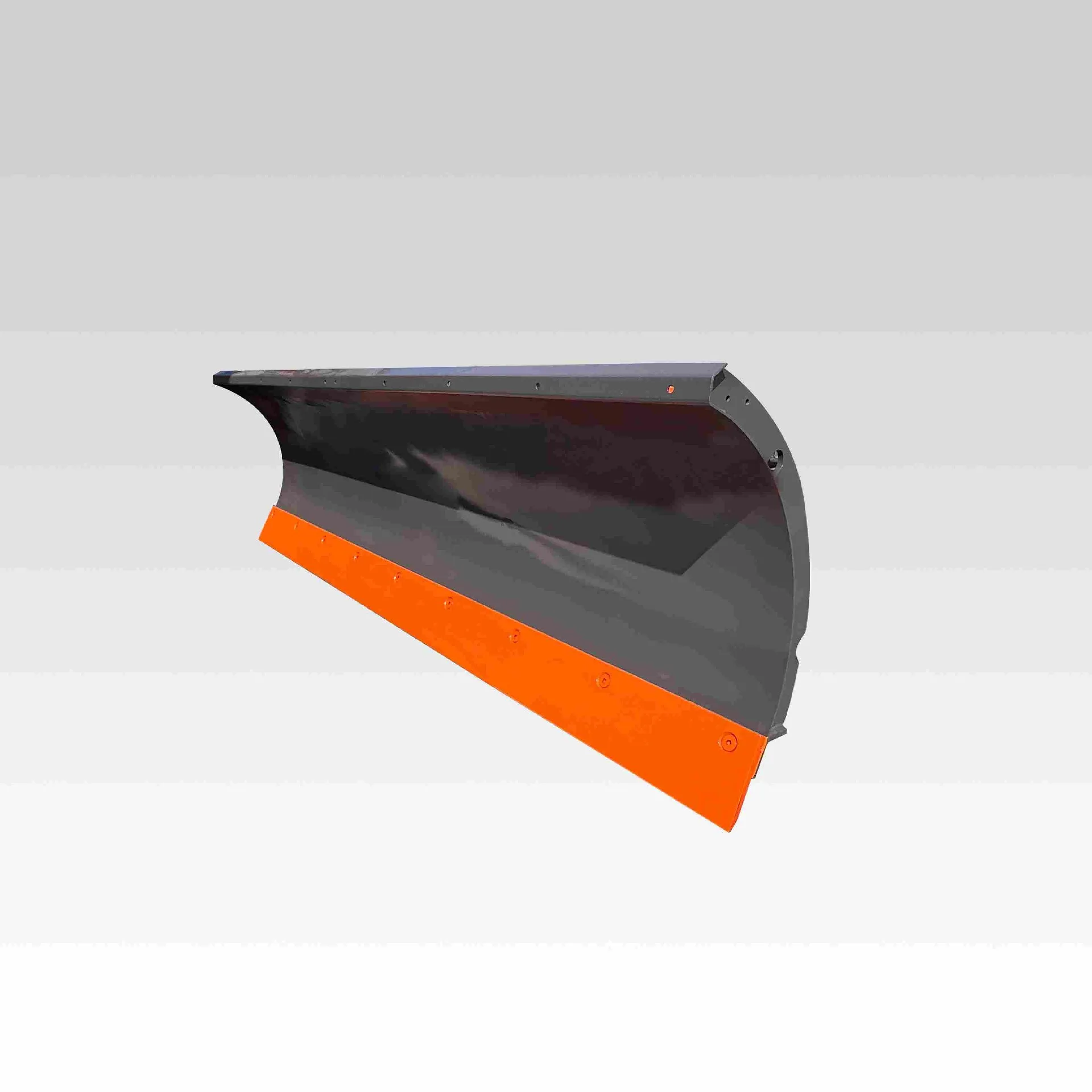
Use the HCN attachment catalog to locate the 0309 Series Dozer Blade. In the RFQ, identify the series and ask HCN to state which configuration, interface and hydraulic requirements are included in the offer. Do not transfer dimensions or circuit ratings from another blade series.
- Describe the work: material, surface condition, typical push length, desired finish and expected hours of blade work per shift.
- Identify the carrier: make, model, operating weight, tires or tracks, ballast, mounting system and applicable axle or attachment limits.
- Document the circuit: available auxiliary flow, pressure settings, coupler type and control options, where relevant.
- Request drawings and exact specifications: blade and adapter mass, forward offset, interface geometry, working and transport envelopes, and required circuit conditions.
- Price the full package: installation items, initial spares, wear parts, service documentation and parts lead times.
- Agree on acceptance: verify locking and clearance, check function operation, and complete a representative pass to assess coverage, traction and finish.
Send the checklist and available carrier drawings to HCN to request configuration and fitment confirmation. Resolve any differences between the carrier limits, the installation drawing and the quotation before issuing the purchase order.
Frequently Asked Questions
Can I mount the HCN 0309 Series Dozer Blade on a truck?
Do not assume compatibility from a catalog category. Ask HCN to confirm the exact 0309 configuration, truck chassis, mounting system and power source. The vehicle manufacturer or approved upfitter should confirm axle loads, mounting limits and permitted application before purchase.
What carrier tonnage do I need for a 0309 dozer blade?
Use the carrier's operating weight as a starting point, not an approval criterion. Compare the quoted blade's installed mass and forward offset with the carrier's attachment, axle and mounting limits, then confirm that the carrier permits the intended pushing loads. Request written fitment confirmation for the exact combination.
What hydraulic flow and pressure does the 0309 Series require?
Request the allowable flow range, operating pressure, relief requirements and circuit diagram for the exact configuration quoted. Match those requirements to the circuit that will operate the blade, not to the carrier's total pump rating. Confirm return or backpressure limits if applicable.
How do I select a blade width for angled grading?
Compare the working width projected across the direction of travel at the intended angle with the carrier's tire or track width. Allow for overlap where the job requires a clean pass, and separately check the blade's full sweep and transport clearance.
Can I specify a maximum cutting depth for the 0309 Series?
Do not assume a fixed production cutting depth. Request the blade's installed movement envelope, then agree on a representative trial using the actual carrier and material. Record the depth per pass that the combination can repeat while maintaining control and meeting the finish requirement.
Will a quick-attach plate from another attachment fit?
Not necessarily. Compare the plate or adapter drawings, engagement points, locking geometry and load ratings for the exact carrier and blade. A plate that latches can still be unsuitable because of clearance, forward offset or pushing loads.
How should a fleet compare the ownership cost of two blade quotes?
Compare cost per productive blade hour or per accepted area of finished grade. Include the blade and fitment package, installation, labor, fuel, wear parts, service and expected downtime. Use comparable work conditions and check how much the result changes if edge life is shorter than expected.
Need exact hydraulic specs, drawings, or compatibility confirmation? Contact HCN with your carrier model and quantity.

 +86 185 5285 3111
 +86 185 5285 3111
 nancy@hcn-tech.com
