




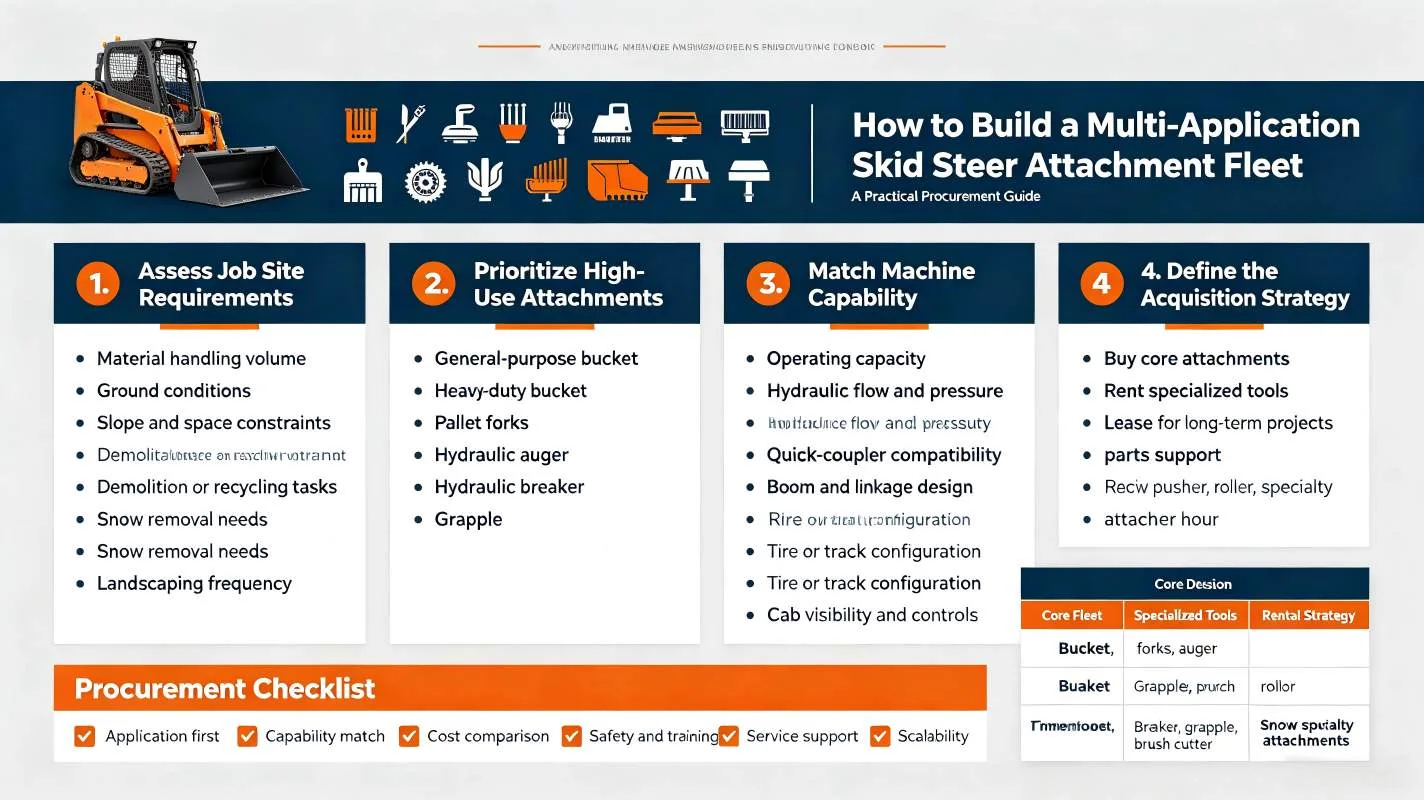
For contractors, rental companies, equipment dealers and fleet managers, buying skid steer attachments is not simply a matter of choosing one tool for one job.
A single skid steer may be required to handle material handling, grading, road maintenance, landscaping, forestry, snow removal and site cleanup. The challenge is deciding which attachments should be purchased first, which can share the same carrier, and which require specific hydraulic or machine capabilities.
A practical attachment fleet should therefore be built around machine capability, application demand, attachment utilization and compatibility.
HCN Attachments offers attachment solutions for construction, road maintenance, forestry, landscaping, agriculture, municipal work, snow removal and material handling. Its product range includes heavy-duty buckets, grapple buckets, pallet forks, cold planers, vibratory rollers, dozer blades, snow attachments, forestry mulchers and other specialized attachments.
1. Start With the Jobs Your Machine Needs to Perform
Before selecting an attachment, identify the work the skid steer will actually perform.
| Application | Attachment Type | HCN Example |
|---|---|---|
| Material handling | Bucket | Heavy Duty Bucket |
| Bulky material handling | Grapple | Heavy Duty Grapple Bucket |
| Pallet handling | Fork | Heavy Duty Pallet Fork |
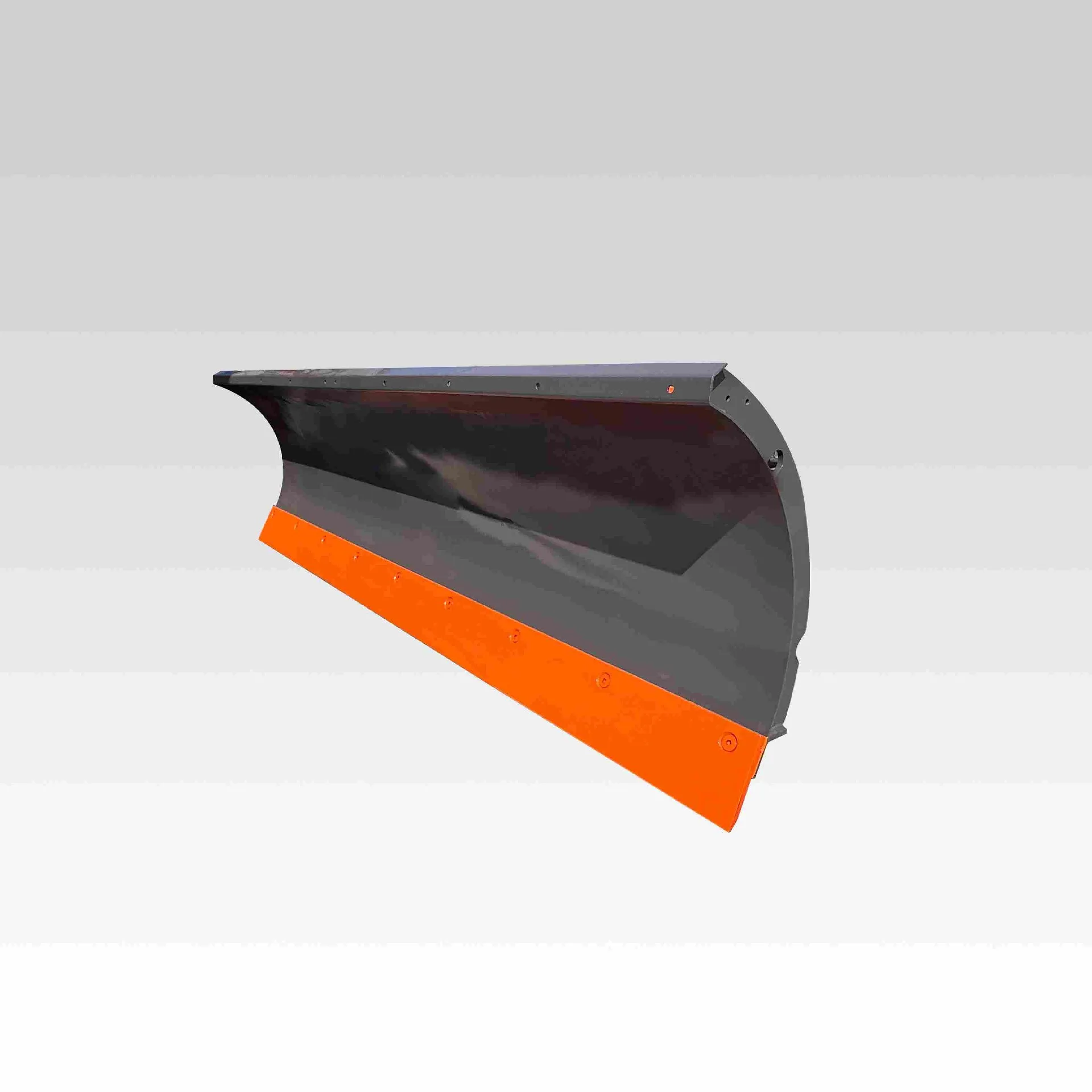
| Grading | Dozer blade | 0309 Series Dozer Blade |
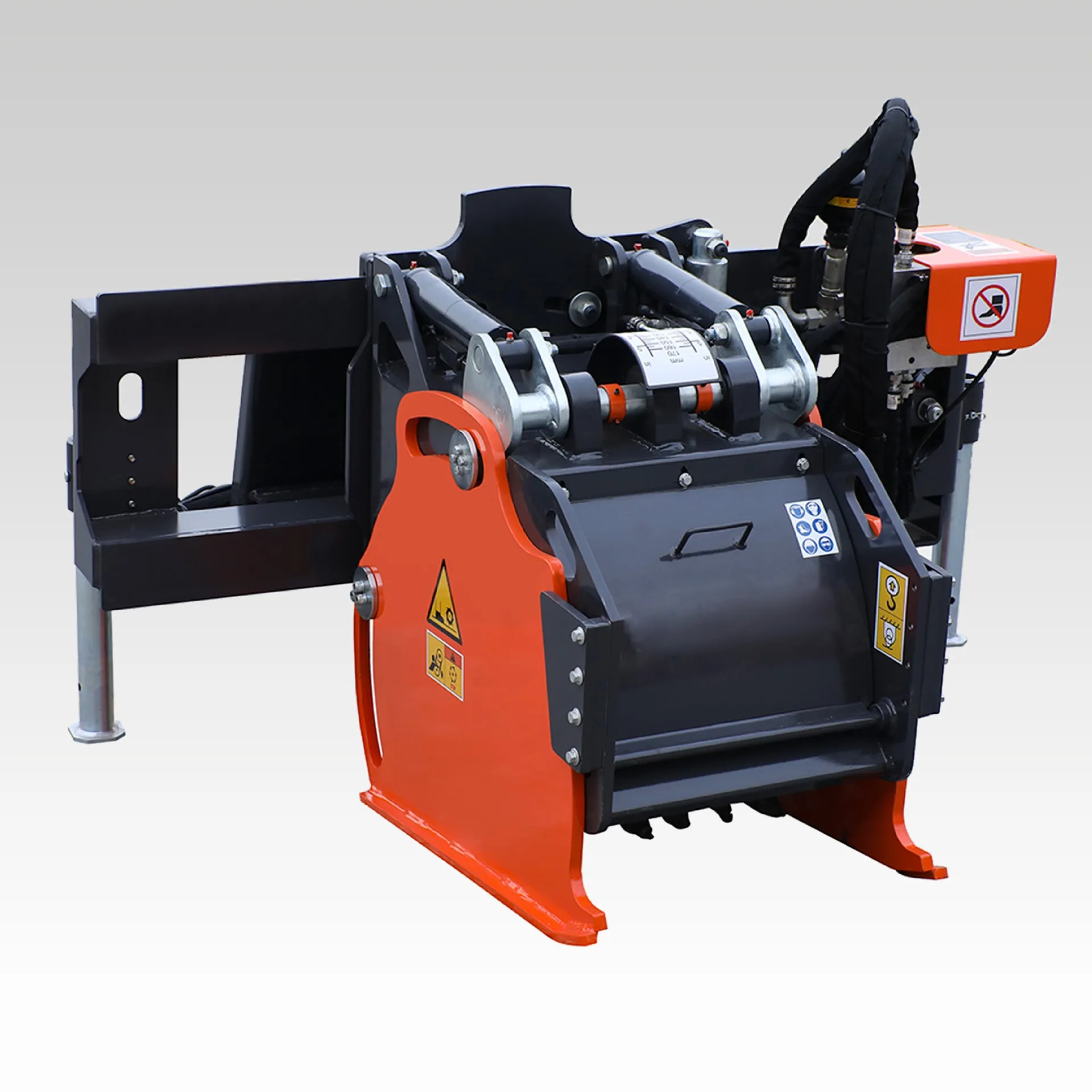
| Pavement milling | Cold planer | 0206 Series Cold Planer |
| Compaction | Vibratory roller | 0205 Vibratory Roller |
| Snow removal | Snow blade / blower | 0208I Snow Blade / 0209H Snow Blower |
| Forestry clearing | Forestry mulcher | 0513 Series Forestry Mulcher |
The goal is not to purchase every attachment category. Start with the tools that support your most frequent applications, then add specialized attachments when utilization justifies the investment.
2. Separate Core and Specialized Attachments
Core attachments should support multiple jobs. Heavy-duty buckets, grapple buckets, pallet forks and dozer blades can serve construction, landscaping, agriculture and material-handling operations.
Specialized attachments are more application-specific. Cold planers, vibratory rollers, snow blowers and forestry mulchers can significantly expand a skid steer's capabilities, but their value depends on actual workload and machine compatibility.
For procurement teams, a useful question is:
How often will this attachment generate productive work?
An attachment with low annual utilization may still be appropriate, but it should be evaluated differently from a bucket or grapple that can be used across many projects.
3. Check Hydraulic Flow and Pressure First
Hydraulic compatibility is one of the most important factors when building an attachment fleet.
HCN products have different hydraulic requirements. Current published examples include:
| HCN Attachment | Hydraulic Flow | Pressure |
|---|---|---|
| 0403 Heavy Duty Grapple Bucket | 20–30 L/min | 21 MPa |
| 0309 Series Dozer Blade | 20–30 L/min | Up to 21 MPa |
| 0205 Vibratory Roller | 60–70 L/min | 20 MPa |
| 0209H Snow Blower | 75–150 L/min | Up to 20 MPa |
| 0513 Series Forestry Mulcher | 110–150 L/min, depending on configuration | 21 MPa |
| 0206 Series Cold Planer | 120–140 L/min, depending on model | 21 MPa |
This shows why the statement “this attachment fits a skid steer” is not enough.
For example, HCN's SR770T Mini Track Skid Steer Loader lists 45–60 L/min attachment hydraulic flow, while the SR2200T Compact Track Loader lists 85 L/min standard flow and an optional 135 L/min high-flow system.
A carrier with insufficient hydraulic flow should not be matched with a high-flow attachment simply because the physical mounting interface fits.
4. Check the Exact Attachment Model
Different models within the same product family can have different specifications.
HCN's 0206 Cold Planer range is a good example:
| Model | Working Width | Working Depth | Flow | Weight |
|---|---|---|---|---|
| 020612 | 300 mm | 150 mm | 120–130 L/min | 580 kg |
| 020618 | 450 mm | 150 mm | 130–140 L/min | 887 kg |
| 020620 | 500 mm | 150 mm | 130–140 L/min | 980 kg |
The differences are not limited to working width. Weight and hydraulic requirements also change.
The 0205 Vibratory Roller range similarly includes different models with different operating weights.
For fleet procurement, always record the exact attachment model, not just the product category.
5. Consider Attachment Weight and Machine Capacity
Hydraulic flow is only one part of compatibility.
Attachment weight can affect machine stability, rated operating capacity, lifting performance and transportation requirements.
Before purchasing, compare:
Attachment operating weight
Rated operating capacity
Tipping load
Hydraulic flow
Hydraulic pressure
Working width
Working depth
Mounting interface
Ground conditions
Visibility and operating position
For example, HCN's 0206 Cold Planer models range from 580 kg to 980 kg. A machine may have sufficient hydraulic flow for a particular model but still require a separate evaluation of operating capacity and stability.
The attachment should always be evaluated as part of the complete machine system.
6. Build the Fleet Around Workflow
Instead of purchasing attachments individually, consider how they work together.
A general construction workflow might look like:
Load → Move → Grade → Compact → Clean
A suitable attachment package could therefore include:
Heavy Duty Bucket → Grapple Bucket → Dozer Blade → Vibratory Roller → Sweeper
A road-maintenance workflow could be:
Mill → Cut → Move Material → Grade → Compact → Clean
This may involve:
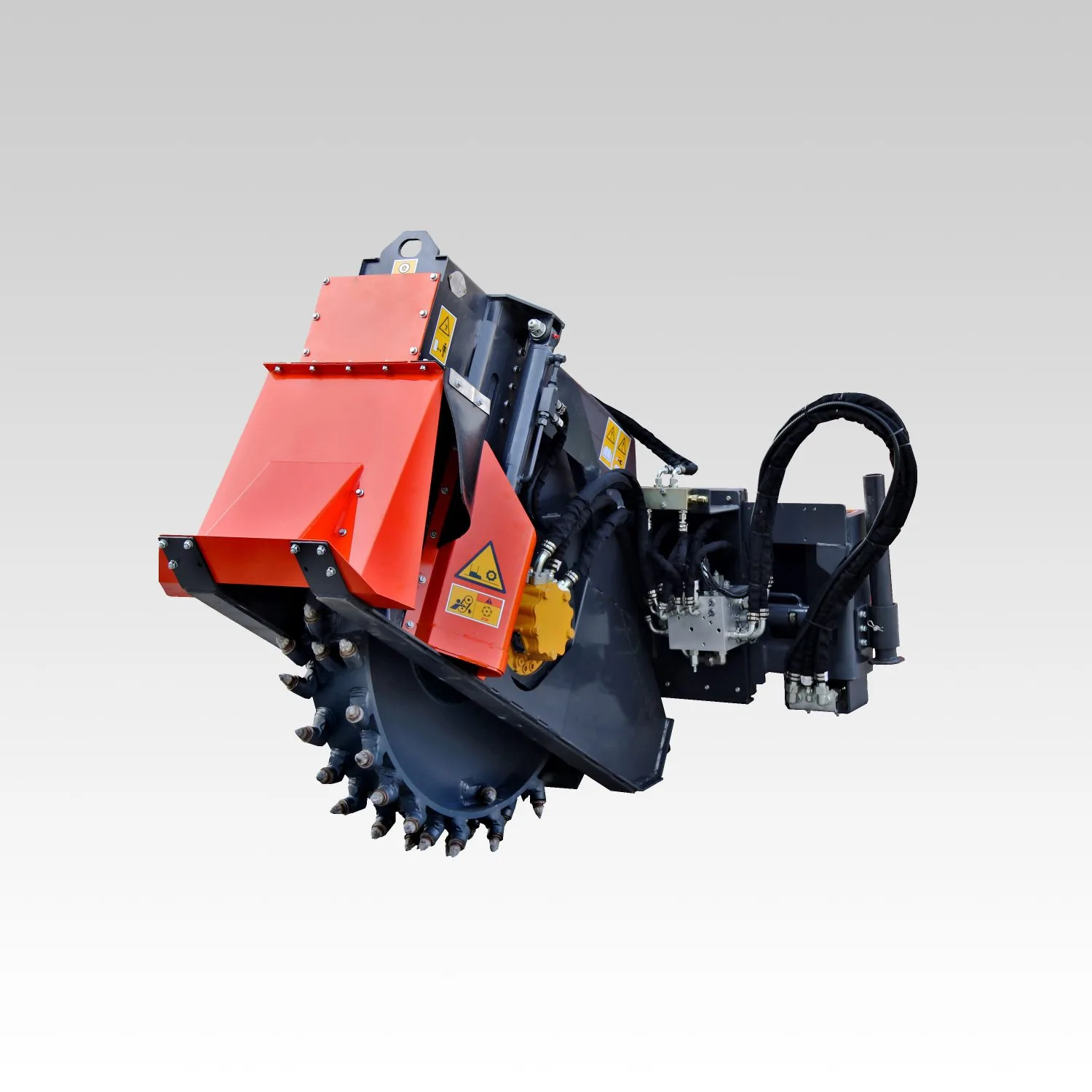
Cold Planer → Manhole Saw / Wheel Saw → Bucket → Dozer Blade → Vibratory Roller
A forestry contractor may instead require:
Clear → Process Vegetation → Move Material → Maintain Site
with attachment groups such as:
Forestry Mulcher → Grapple Bucket → Bucket
The objective is to build an attachment ecosystem in which every major tool has a defined role.
7. Consider Seasonal Utilization
Seasonal applications require additional fleet planning.
For snow removal, HCN's 0208I Snow Blade includes several width configurations, while the 0209H Snow Blower is designed for skid steers with higher hydraulic-flow requirements.
Before investing in seasonal attachments, consider:
Expected annual utilization
Seasonal customer demand
Carrier availability
Storage requirements
Maintenance and wear parts
Hydraulic requirements
Off-season machine utilization
For rental companies and contractors, seasonal attachment purchases should be evaluated as part of the overall fleet rather than as isolated products.
8. Quick Attach Does Not Mean Universal Compatibility
A quick-attach system makes attachment changes faster, but it does not automatically make every attachment compatible with every skid steer.
Before moving an attachment between machines, verify:
Mounting interface
Hydraulic flow
Hydraulic pressure
Hydraulic connectors
Electrical/control connections
Attachment weight
Machine operating capacity
This is particularly important for rental fleets and dealers where the same attachment may be used with multiple carrier machines.
9. Skid Steer Attachment Procurement Checklist
Before requesting a quotation, prepare the following information.
Carrier machine
Machine manufacturer and exact model
Operating weight
Rated operating capacity
Auxiliary hydraulic flow
Auxiliary hydraulic pressure
Standard-flow or high-flow configuration
Quick-attach system
Electrical connections
Attachment
Exact attachment model or application
Required working width
Required working depth
Hydraulic flow requirement
Operating pressure
Attachment weight
Mounting requirements
Optional equipment
Application
Primary job
Material being handled
Working environment
Expected utilization
Seasonal requirements
For international B2B purchases, also provide the quantity and destination country so the manufacturer can confirm the appropriate configuration and quotation requirements.
FAQ
1. What are the most versatile skid steer attachments?
Buckets, grapple buckets, pallet forks and dozer blades can support a wide range of construction, landscaping, agriculture and material-handling applications.
2. Can one skid steer use both low-flow and high-flow attachments?
Only when the machine's hydraulic system meets the requirements of the specific attachment. Physical mounting compatibility alone is not sufficient.
3. Why is the exact attachment model important?
Different models can have different hydraulic requirements, dimensions, working widths and weights. The exact model should therefore be matched to the exact carrier.
4. Is a high-flow skid steer necessary for every attachment?
No. High-flow capability is mainly relevant to attachments with higher hydraulic-flow requirements. The machine should be selected according to the applications the fleet actually performs.
5. What information should I provide when requesting an attachment quotation?
Provide the machine model, hydraulic flow and pressure, intended application, attachment type, quantity and destination country. Mounting information is also useful when available.
6. Should rental companies purchase specialized attachments?
The decision depends on customer demand, expected utilization, seasonal requirements, maintenance and replacement costs.
7. Does quick attach guarantee compatibility?
No. Hydraulic, electrical, weight and machine-capacity requirements must still be verified.
8. How can I choose the right HCN attachment?
Start with the application, then match the exact attachment model to the carrier's hydraulic system, operating capacity, mounting interface and working requirements. For uncertain combinations, contact HCN for technical confirmation.
Conclusion
A productive skid steer attachment fleet is not simply a collection of individual tools. It is a system built around:
Carrier Machine → Hydraulic Capability → Attachment → Application → Workflow → Utilization
Start with the jobs your fleet performs most frequently. Select versatile core attachments first, then add specialized tools where demand justifies them.
Most importantly, evaluate the exact machine and exact attachment model. Hydraulic flow, pressure, attachment weight, working dimensions and mounting requirements can vary significantly between models.
For contractors, dealers, rental companies and fleet managers, this approach can make attachment procurement more systematic while reducing the risk of selecting an attachment that does not match the carrier.
For a specific HCN attachment recommendation, provide the machine model, hydraulic flow, hydraulic pressure, application and quantity so the appropriate configuration can be checked before ordering.
 +86 185 5285 3111
 +86 185 5285 3111
 nancy@hcn-tech.com
